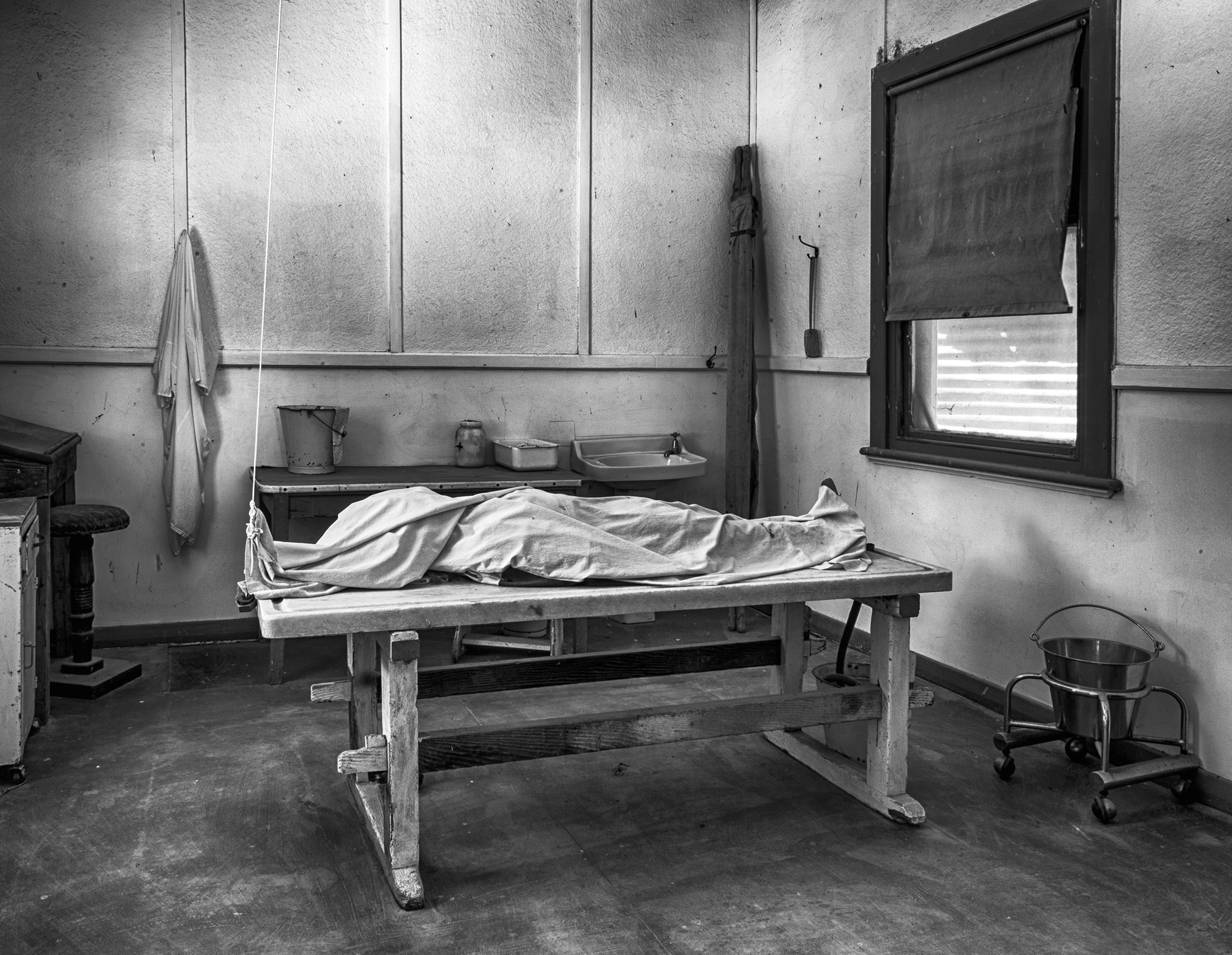
life (death) at the morgue
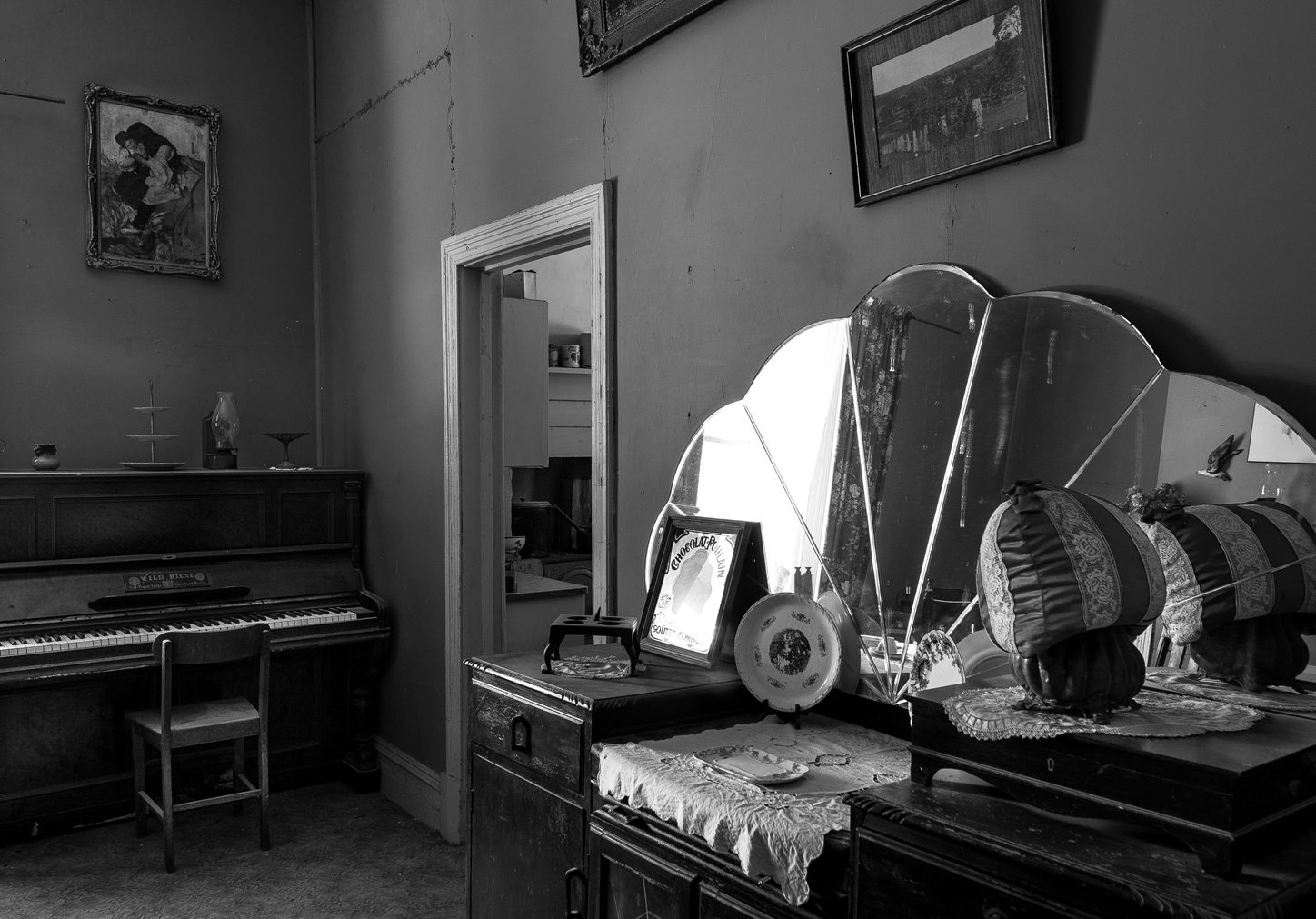
I lived in my body for the first 33 years of my life.
I then had a massive breakdown and no longer lived in my body after that. Alcohol consumption also had a big role to play in me not living in my body anymore.
There are many benefits to living in your body.
The main downsides to living in your body will be
As a child I loved living in and body. I would jump and spin. Climb and swing from tree to tree. I was a master in gymnastics and I was obsessed with sex. As an adult my career was a body career. I was a fitness instructor and a dance teacher. I loved exercise so much, I would do it every day, and often overdo it in terms of exercise.
The other side of this is people living in their heads.
Benefits are:
The downside:
Ultimately one’s goal is to live in the present moment.


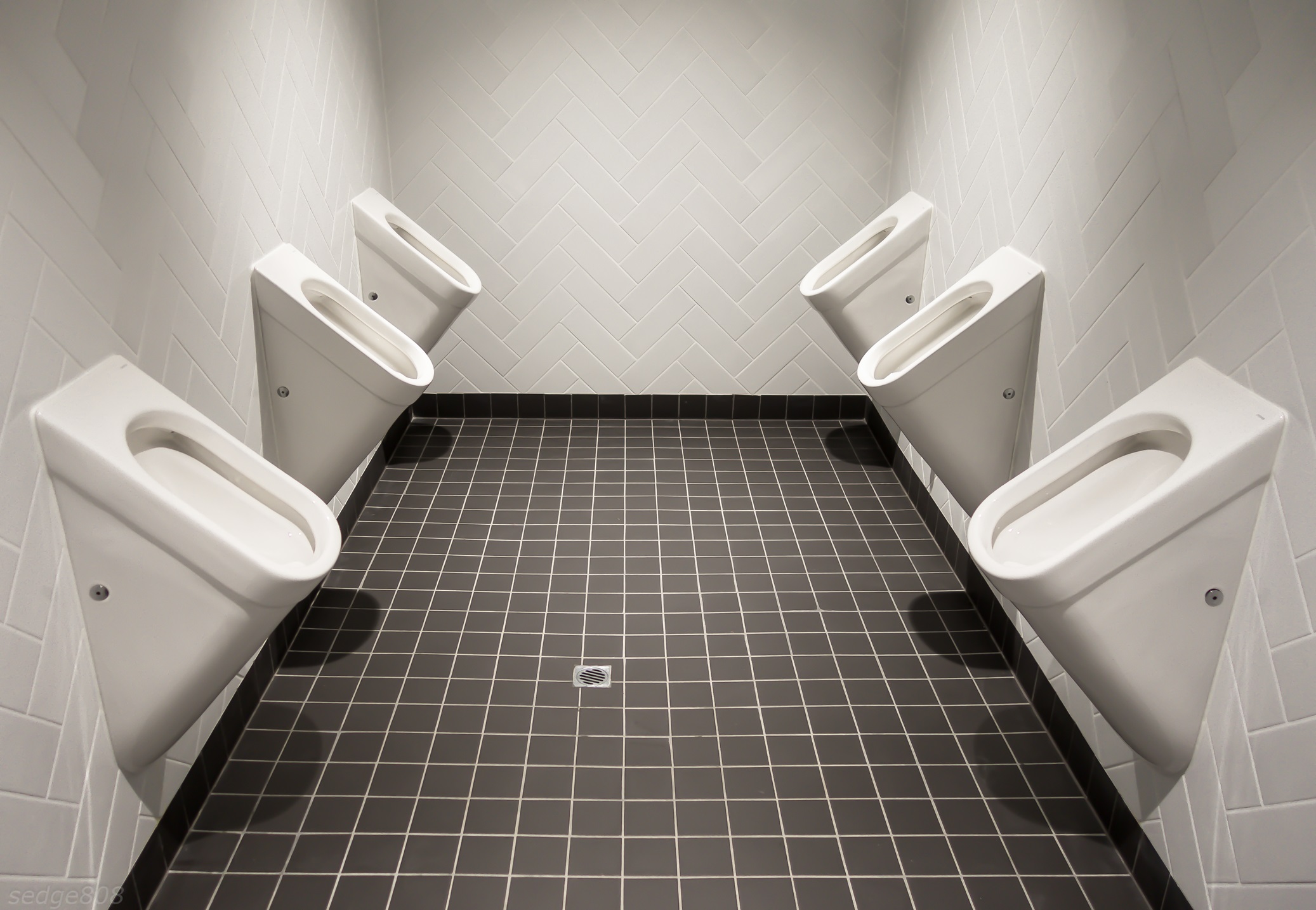

I didn’t know the origin of the word we use almost daily…spam. Now I know it was Monty Python.
…and now AI is now very much taking over the internet. You only have to look at the comments on Facebook, and the AI gives an accurate overview of what people are saying.
Why aren’t we disturbed by this?
RedBubble had bots look over my photos, to find anything they could use to delete my art. This art had been on sale and on their platform for over 20 years.
Not all AI is bad, but we should be aware of this issue.

This is the end
Of every song that we sing
The fire burned out to ash
And the stars
Grown dim with tears
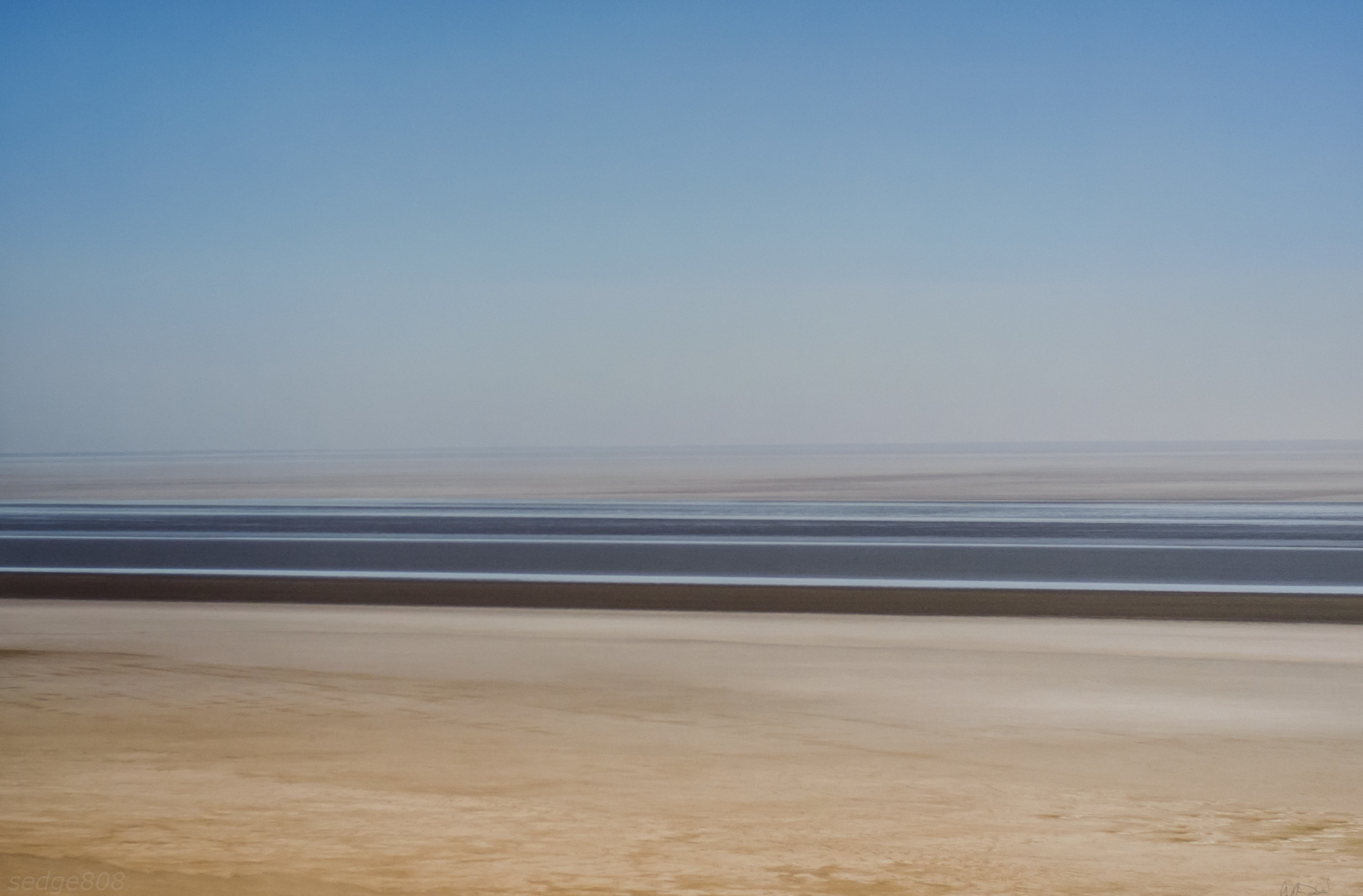
Peter MacDonald began photographing Lake Eyre in the year 2000 in a cycle of drought.
In 2010, when the rains came, he recorded the miraculous explosion of life as the Salt Lakes basin filled.
In 2013 he flew over the Lakes at 10,000 feet. Through the open door of a light aircraft, Peter photographed perfectly delineated abstracts desert-scapes, formed where surfaces meet – the dry salt bed, brackish salt water, fresh rain flooding in from the creeks and the muddy edges of the dunes.
In 2014 and 2015 Peter continued his project, photographing nearby Lake Frome, at that time filled with pure rainwater. He recorded brilliant and liquid colours, an artist’s palette mixed from the elements of life.
This exhibition features Peter’s recent works, alive with extraordinary colours and fluid forms rarely seen.
Peter has lived in the Flinders Ranges for over 20 years. He is a pilot and a master photographer. Over the past 20 years Peter has explored areas of the far-north rarely seen by others.












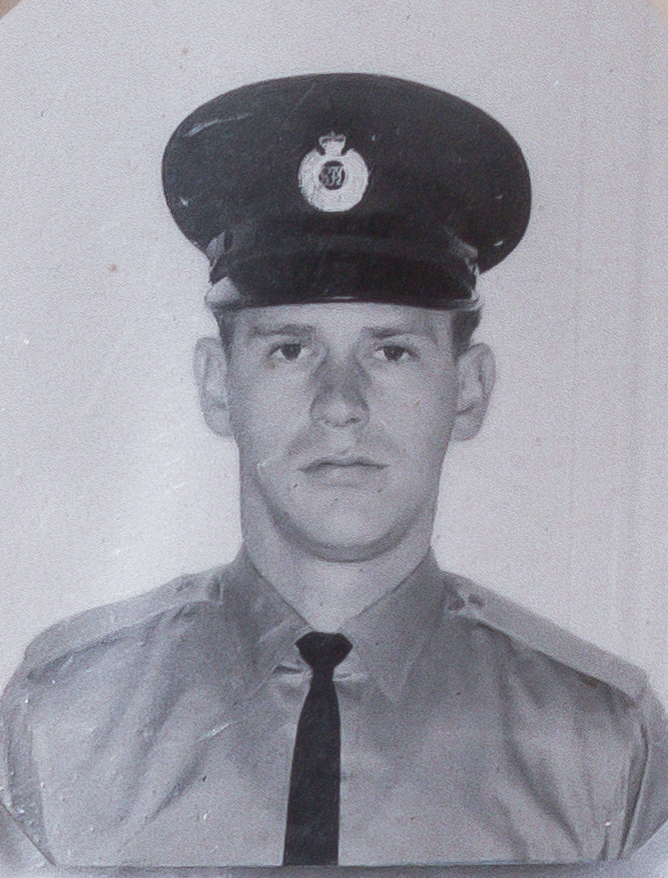
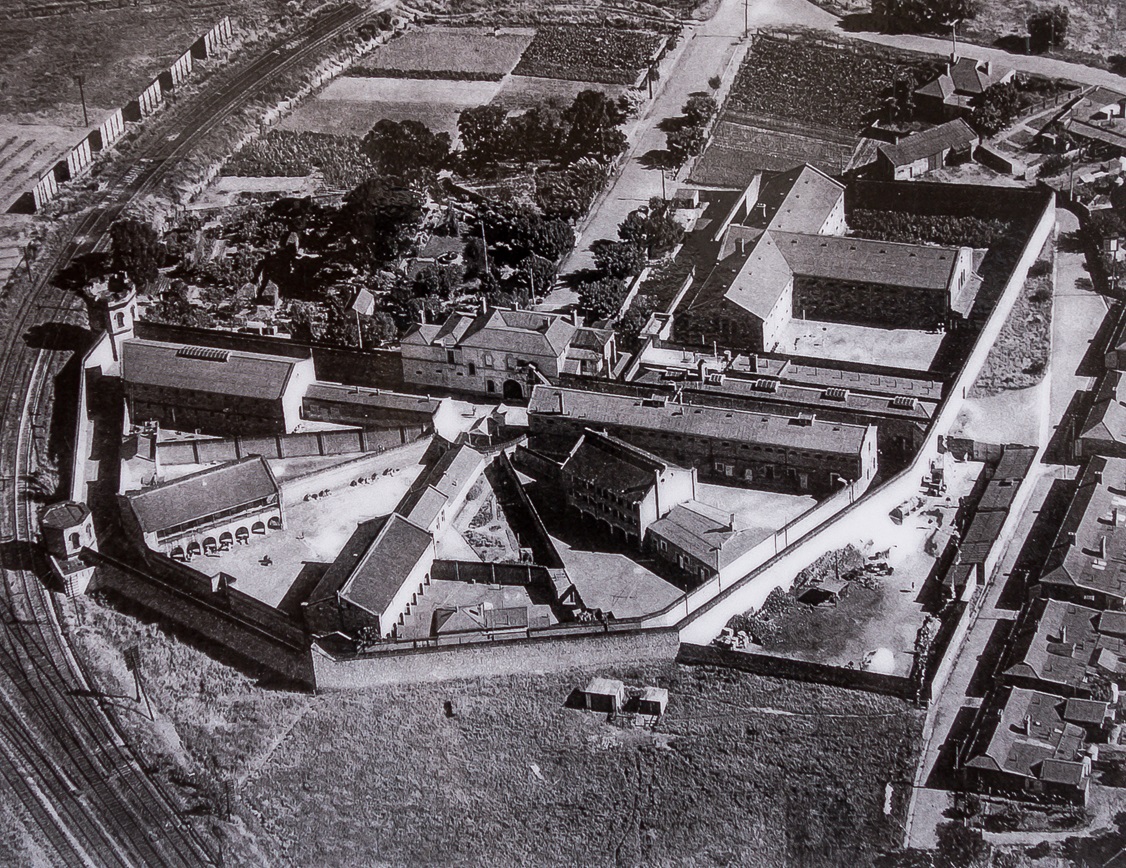
https://www.adelaidegaol.sa.gov.au/
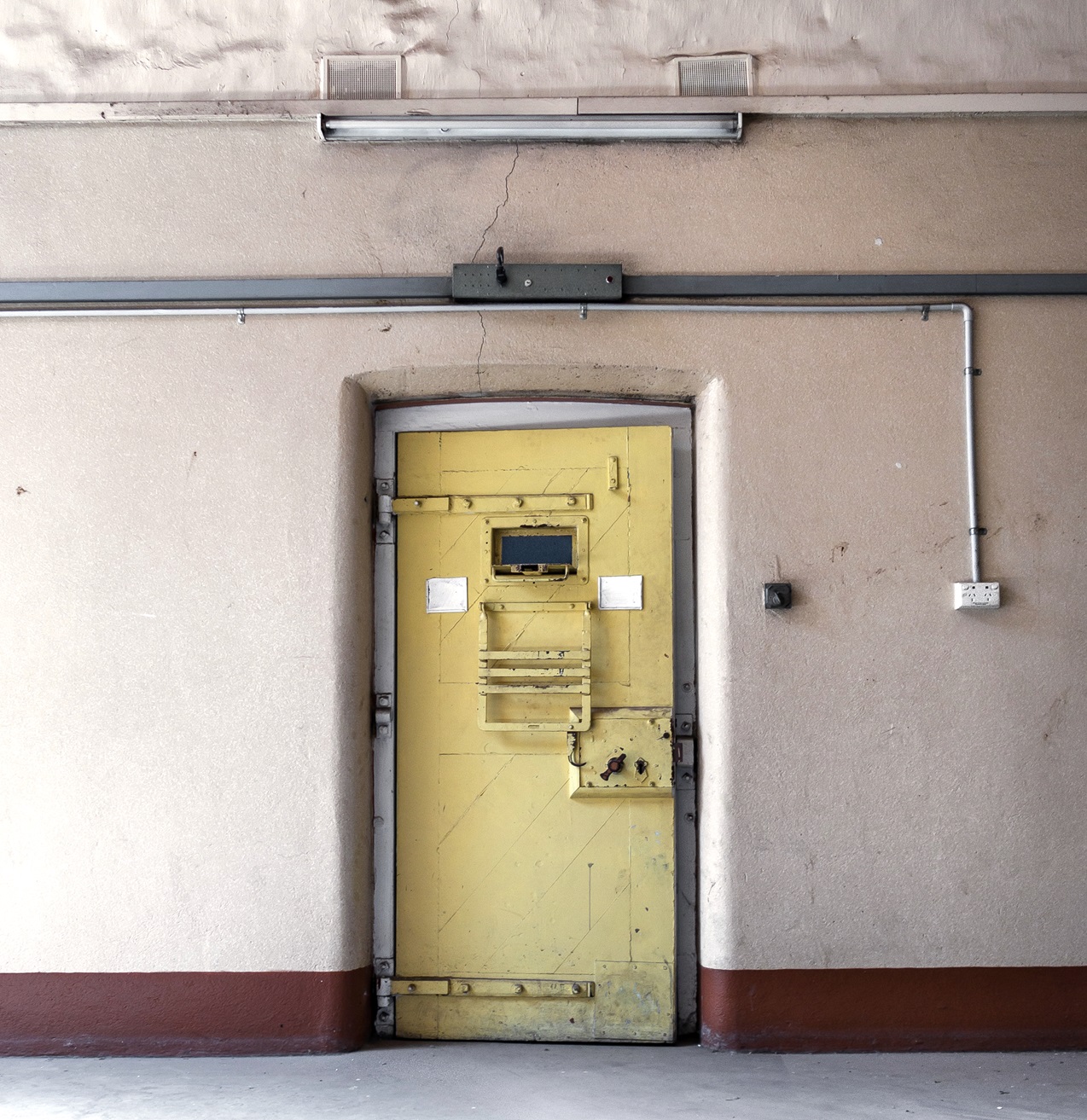
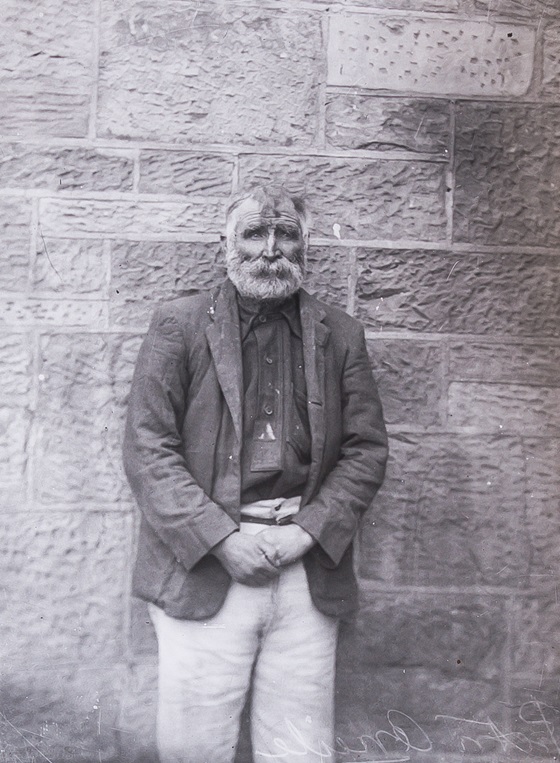
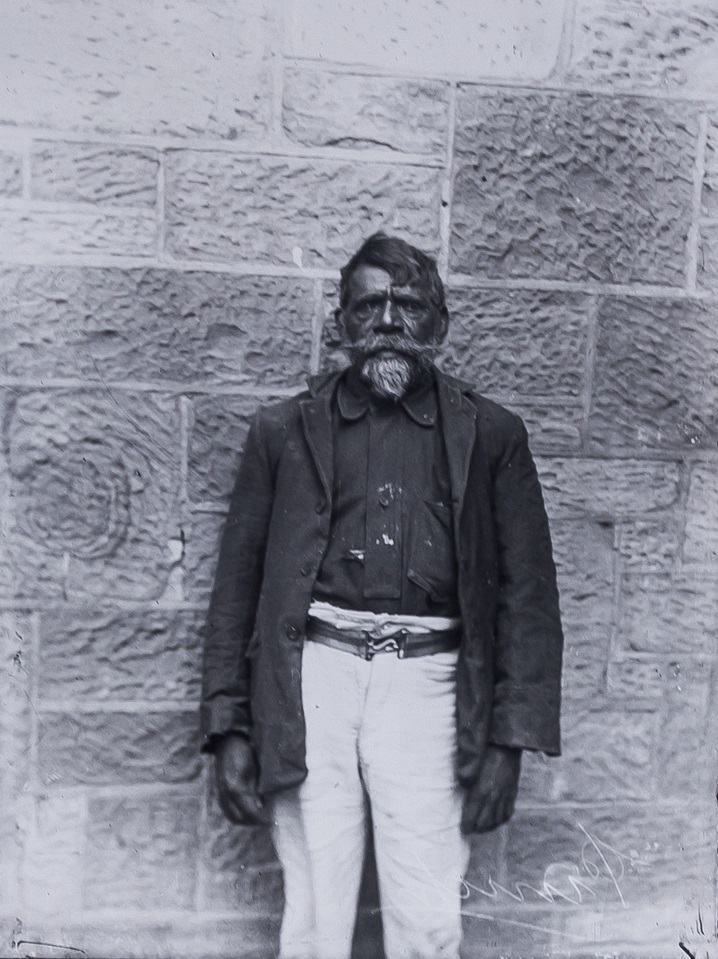
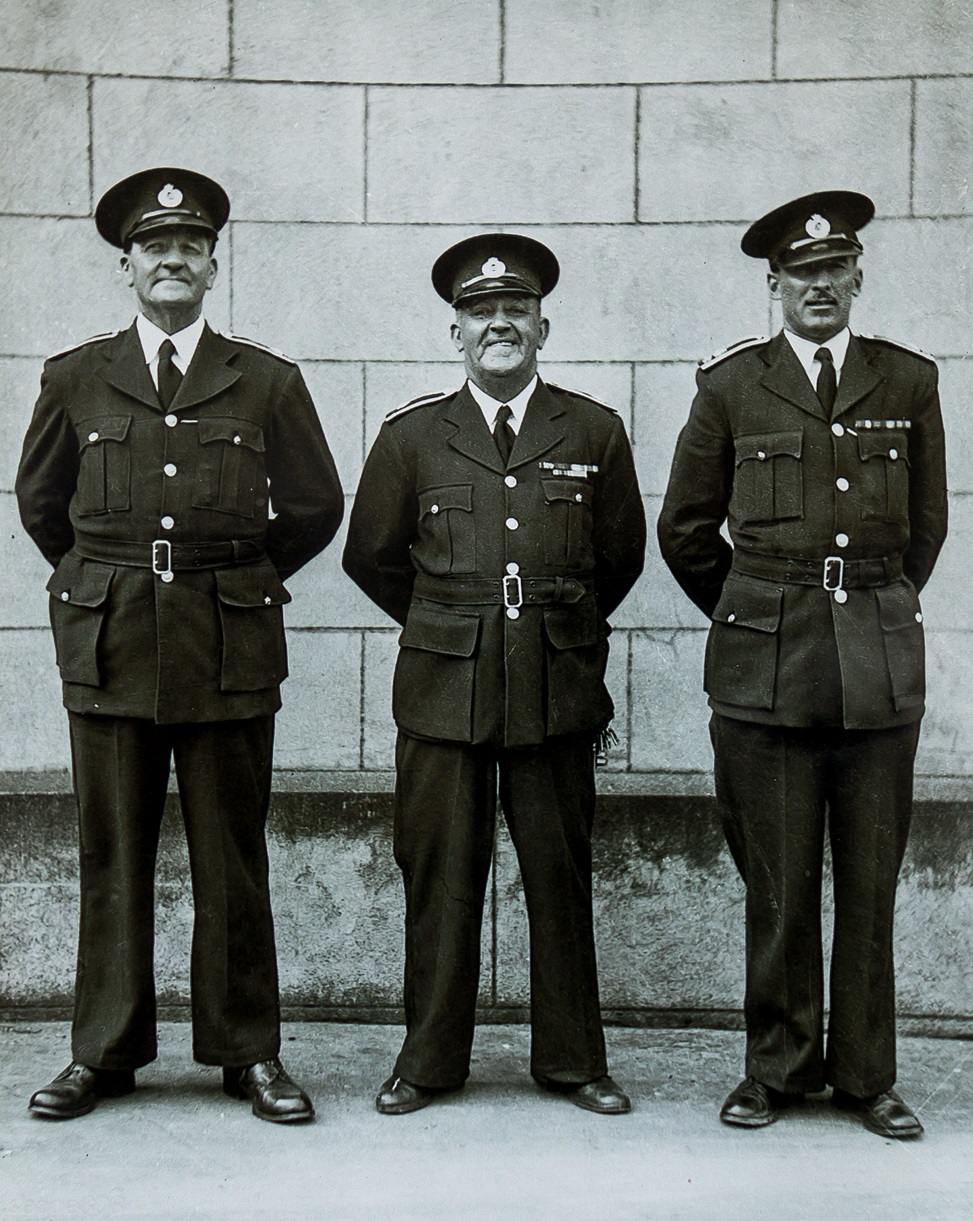
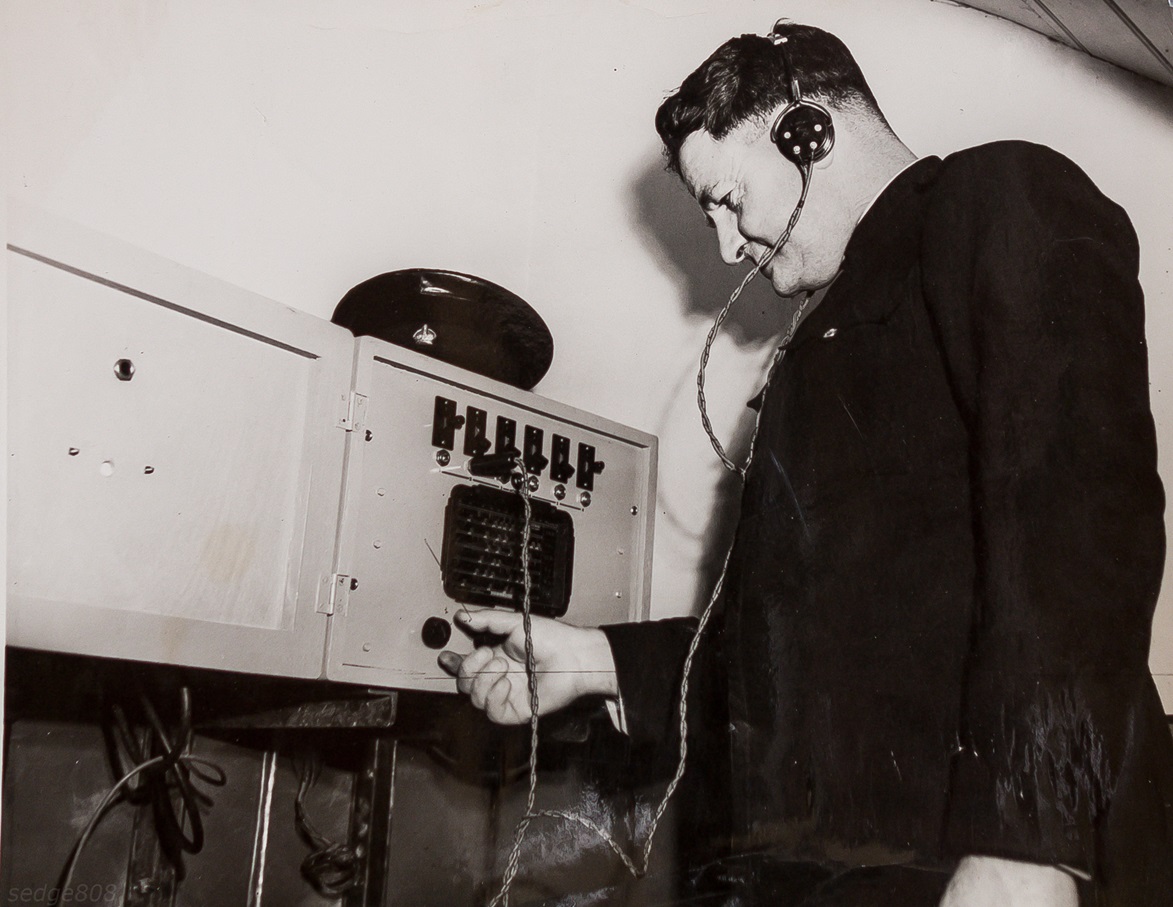
In 1840, George Strickland Kingston was commissioned to design Adelaide’s new gaol. The architectural plans for Adelaide Gaol were based on the latest in European gaol designs and were said to be radical for the time.
The original cost estimate for Adelaide Gaol was £17,000, but by 1841 costs had already reached £16,000 with only half the planned works complete. The final bill was more than double the original quote and the expense of construction sent the fledgling colony of South Australia bankrupt.
As a result, Governor Gawler, who was considered responsible for this situation, was recalled to England and replaced by Governor Grey. Governor Grey halted work and Adelaide Gaol construction languished for over six years.
The full extent of Kingston’s original design was never delivered, but there were all kinds of additions and modifications made to the Gaol during its 147 years of operation. In 1879, Adelaide Gaol was packed to capacity and the New Building was constructed using the prisoners as labour.
Approximately 300,000 prisoners passed through Adelaide Gaol during its working years and 45 people were executed. Their bodies are buried within the grounds of Adelaide Gaol.
The first public hanging took place in November 1840 while the site was still under construction.
It was decided in the early 1980s that Adelaide Gaol would be closed and on 4 February 1988, was officially decommissioned.
A recollection of items and events encountered in the past 7 decades (a/o 2025) of my life on Planet Earth
Imagination with discovery, fiction and art.
Sapere aude!
Island photography and written words at their best.
Un peu de tout peinture, pastel, logiciel 3d et autres / A bit of everything painting, pastel, 3d softwares and a bit more
Science, Philosophy, Desire
I suffer from chronic migraine - at The Mindful Migraine blog I share some of the ideas that have helped - I hope they help you too.
Quirky internet wunderkammer
A Place Where Narcissist Scapegoats Convene
THE DRIVELLINGS OF TWATTERSLEY FROMAGE
Poetry, Photography, and Thoughts
Historical and Horror Fiction Writer
Psychotherapy, Walk and Talk Therapy, Neurodiversity, Mindfulness, Emotional Wellbeing
RECIPES /COOKING VIDEOS
Love is Joy!
Life is all about being curious, asking questions, and discovering your passion. And it can be fun!
Writer
We're all on a road to somewhere.
Life after high conflict divorce with children
My Life After Narcissistic Abuse
Stories, Poetry, Thoughts, Life
Just another WordPress.com site
Stella
Pursuing sanity in a world insane
Exploring the abandoned, derelict and forgotten of Adelaide, South Australia and beyond
the most beautiful sound next to silence.
"Literature is language charged with meaning." Ezra Pound
You know, it's cool for cats.
Life Experiences, Quotes & Randoms
Sharing steps from my path of life...
"El Mundo Visible es Sólo un Pretexto" / "The Visible World is Just a Pretext".-
Fotoblog
My 2016 iPhone Project 366
a picture a day - no exceptions (c) yours truly
Sharing Great Blog Posts
Exhibiting Artist
Wisdom from the Blogs I Follow
west517 | the world we know
Ina Vukic - Croatia: people, politics, history, economy, transition from communism to democracy
The only archive reviewing every ECM album in existence.
Le PhotoBlog de SeniSilat
Ink, pen and watercolor
'Cuz Yesterday Is Long Gone & Tommorow Is Unpromised
Surviving through Depression. "Specter" is the personification of my depression.
 Noir
Noir 