set in stone (part two)

I first time I realized I had something set in stone was when I was in my early twenties and I was a vegetarian.

There is nothing wrong with being vegetarian. For some people it’s a healthy choice and lifestyle.

But for me it was an Identity, not a lifestyle choice, so I had an investment in BEING vegetarian.

What happened was: I went to a vegetarian restaurant/cafe with a good friend. We loved going to this place as the food was delicious. Somewhere during the meal, we were chatting about rice, and my friend said: “rice is a vegetable”.

Suddenly I found myself feeling VERY offended. The feelings were overwhelming, and I was SO angry and so upset by a small comment: “well rice is a vegetable”.

I will never forget that day. I didn’t say anything to my friend because I knew I was in the wrong, and what he had said was innocent.

Fast forward to 2025 and I do my very best not to have things set in stone, so that people cannot upset me.

the three major things that come to mind when thinking about this issue are…

  • politics: if your politics and your identity is caught together, you will be offended if someone thinks or feels different to you.
  • religion: If what you believe in and who you are R caught together you may get offended if someone believes something different to you.
  • sex: because sexuality is something so close to us, we can find ourselves easily offended.

I have a friend who has a long list of things that are set in stone for him.

  • Vaccines cause brain injury
  • Donald Trump
  • Extreme Right Wing
  • Climate change is a hoax
  • Google is evil
  • DMSO
  • Red light therapy
  • RFK ….and I’m sure there is more.

I respect each one of those choices, but for him he believes he has to actively defend those beliefs…and will do so with anger and aggression.

The only thing set in stone for me is God, but it’s not connected to organized religion, so there is nothing anyone can say about God that will upset me.

Everything else is as it is. I have no investment in anything or concept or practice or philosophical beliefs. I am free. G

sayings and origins

One-Trick Pony

noun

a person or thing with only one special feature, talent, or area of expertise.

Some word experts say the idiom “one-trick pony” comes from the circus. A circus pony that can only do one trick is not going to entertain a crowd for very long. The term “one-trick pony” appeared around the turn of the twentieth century. Within about fifty years, the term had become an idiom.

Away with the Pixies

informal•British English

(see also: away with the fairies)

distracted, in a dreamworld, or out of touch with reality.

“you seem away with the pixies, are you listening?”

Pixies are: playfully impish or mischievous, prankish. 

pixie mood; a pixie sense of humor.

The origin of the phrase “away with the pixies” is unclear, but it relates to the folklore of pixies, which dates back to Celtic Britain and is particularly prominent in Southwest England. The idiom, used to describe someone mentally absent or flighty, suggests a connection to fairies taking or captivating people’s minds in folklore. While the phrase isn’t directly from a single source, it draws on the folk belief that pixies were mischievous entities capable of robbing people of their wits, as seen in stories and folklore. 

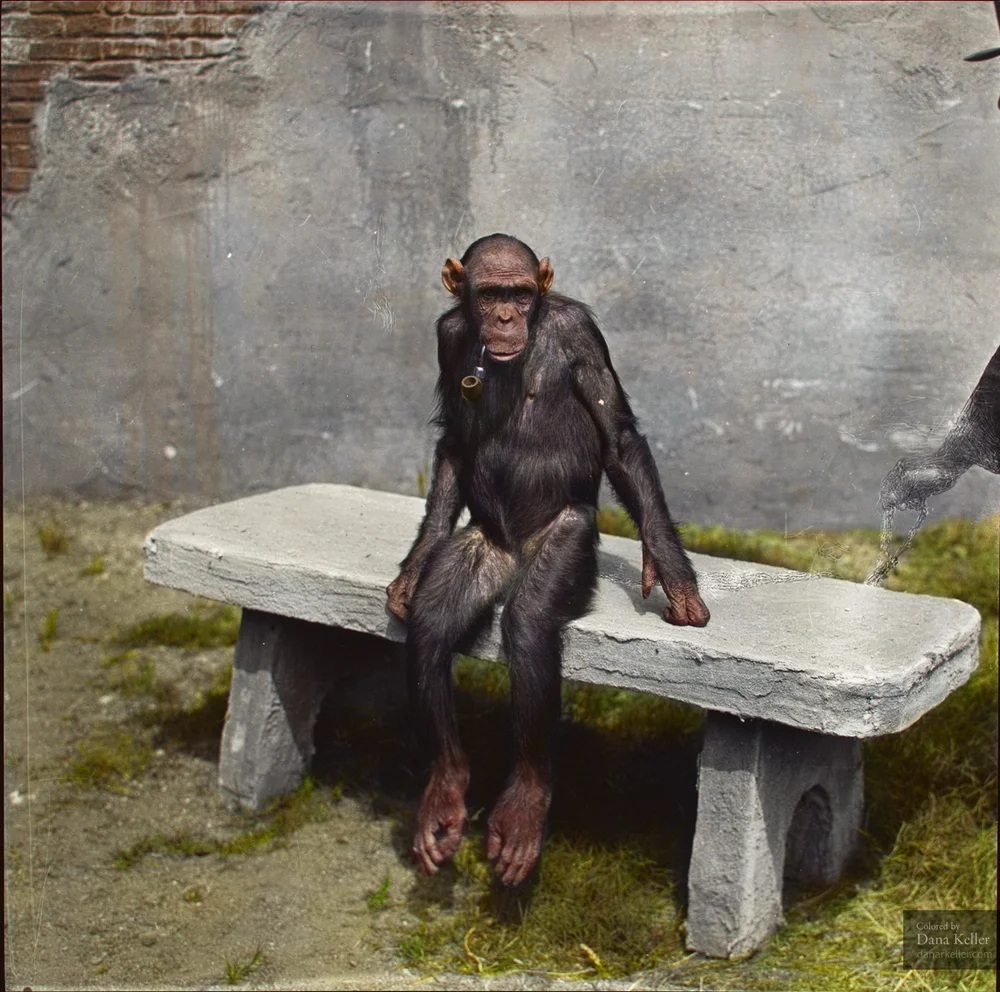
Enen a trained Monkey can do that

We need to be careful that we don’t offend the monkey community while explaining this one.

To all monkeys past and present, we honour you.

It would be phrased as such largely because the person doing it wouldn’t require much intelligence nor oversight – and likely the connotation that the person would also be paid peanuts. Not literally, of course.

All of this imagery is made to offend deliberately, and to derogate those who take these types of jobs.

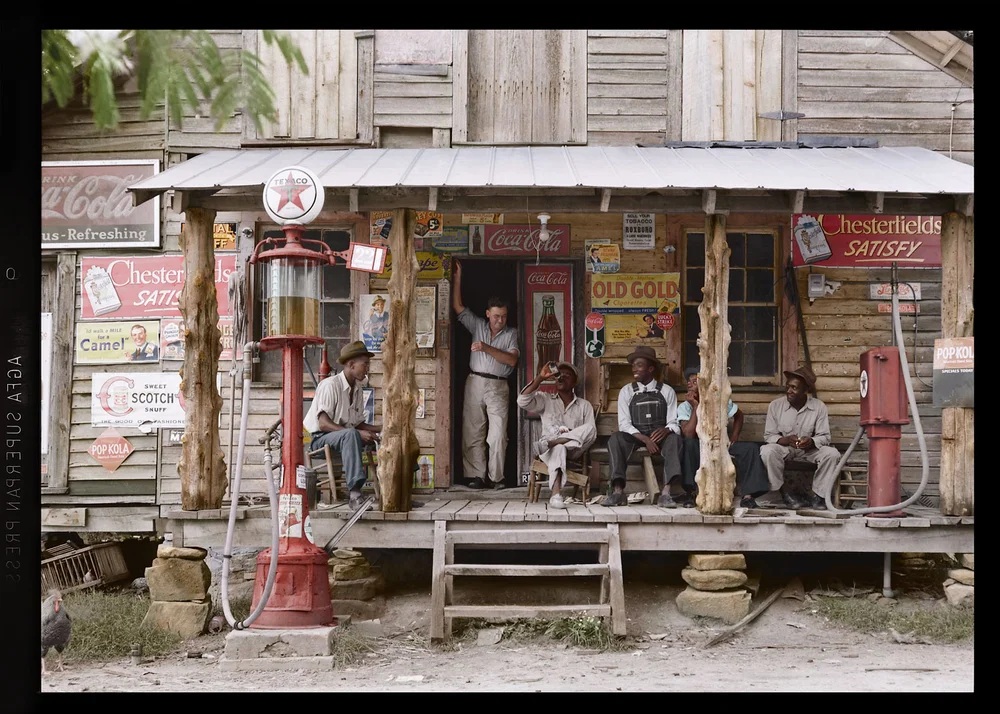
Nostalgia

During war time nostalgia was considered a serious, sometimes fatal, medical condition that included symptoms like anxiety, insomnia, and heart palpitations, and was often treated by returning the soldier home.

While today nostalgia is seen as a benign longing for the past, in the 17th to 19th centuries, it was viewed as a mental illness, particularly among soldiers, and was a precursor to later understandings of conditions like PTSD. 

The longing for home and the past served as a psychological coping mechanism for soldiers facing trauma and separation from loved ones. 

Historical Understanding and Treatment

  • A Deadly “Disease”: Originally, nostalgia was described as a physical or mental ailment, with severe cases leading to death. During the American Civil War, over 70 Union soldiers died from nostalgia, and thousands more were diagnosed with the condition. 
  • Symptoms: Soldiers experiencing nostalgia would exhibit symptoms such as anxiety, loss of sleep, loss of appetite, and heart palpitations. 
  • Treatment: The most effective remedy for nostalgia was to send the soldier home, as the condition was believed to be caused by an obsession with home and the longing for the past. 
  • Connection to Trauma: Modern understanding recognizes nostalgia as a psychological response to trauma. The term was used for symptoms now associated with combat fatigue or post-traumatic stress disorder (PTSD). 

Nostalgia as a Coping Mechanism 

  • Emotional Connection: Nostalgia provides a way for soldiers to maintain a connection to loved ones and a familiar past, offering comfort during the stressful and dangerous reality of war.
  • Motivation for Survival: For many, the desire to return home to their families became a powerful motivation for survival.
  • Reassurance and Relief: Reminiscing about the past can provide momentary relief from the boredom and impersonal routines of military life and offer emotional reassurance.

avoidance – what we know now

I’ve met many people with anxiety (Generalized Anxiety Disorder (GAD)panic disorder, and social anxiety disorder) and it’s a very real issue facing people today.

But if you want to make your anxiety worse: go out of your way to avoid it. ‘Avoidance behaviors’ have the ability to amplify your problem, no matter what it is.

I know this because I have PTSD and anyone with PTSD knows that we have an elaborate list of ways we avoid stuff. The list is long. Here are just a few…

  • excessive sleeping
  • alcohol/drugs
  • binge watching TV shows and movies
  • obsessive cleaning
  • overeating

What happens when we do our avoidance stuff, we actually re-enforce the anxiety.

Each time you do the avoidance behavior the anxiety says:

YES! confirmed!

Thank you.

Now I will bring on more anxiety…

…and the cycle just repeats and repeats, sometimes for years or even decades.

The way out of the cycle is to go toward the anxiety (only if it is safe to do so). Going toward the thing you fear is the best way to take away its energy. When this becomes your healthy habit things change significantly.

The opposite of an error is usually the opposite error. – (The Grow Program).

I really wish that someone had told me these lessons. I’m sure life you have been a lot better for me.

Resilient people know that suffering is part of life. Trying to avoid suffering only makes suffering worse. Accept it and move forward, instead of going backwards avoiding all the stuff you find unpleasant.

Gavin.