avoidance – what we know now

I’ve met many people with anxiety (Generalized Anxiety Disorder (GAD)panic disorder, and social anxiety disorder) and it’s a very real issue facing people today.

But if you want to make your anxiety worse: go out of your way to avoid it. ‘Avoidance behaviors’ have the ability to amplify your problem, no matter what it is.

I know this because I have PTSD and anyone with PTSD knows that we have an elaborate list of ways we avoid stuff. The list is long. Here are just a few…

  • excessive sleeping
  • alcohol/drugs
  • binge watching TV shows and movies
  • obsessive cleaning
  • overeating

What happens when we do our avoidance stuff, we actually re-enforce the anxiety.

Each time you do the avoidance behavior the anxiety says:

YES! confirmed!

Thank you.

Now I will bring on more anxiety…

…and the cycle just repeats and repeats, sometimes for years or even decades.

The way out of the cycle is to go toward the anxiety (only if it is safe to do so). Going toward the thing you fear is the best way to take away its energy. When this becomes your healthy habit things change significantly.

The opposite of an error is usually the opposite error. – (The Grow Program).

I really wish that someone had told me these lessons. I’m sure life you have been a lot better for me.

Resilient people know that suffering is part of life. Trying to avoid suffering only makes suffering worse. Accept it and move forward, instead of going backwards avoiding all the stuff you find unpleasant.

Gavin.

Liminal space

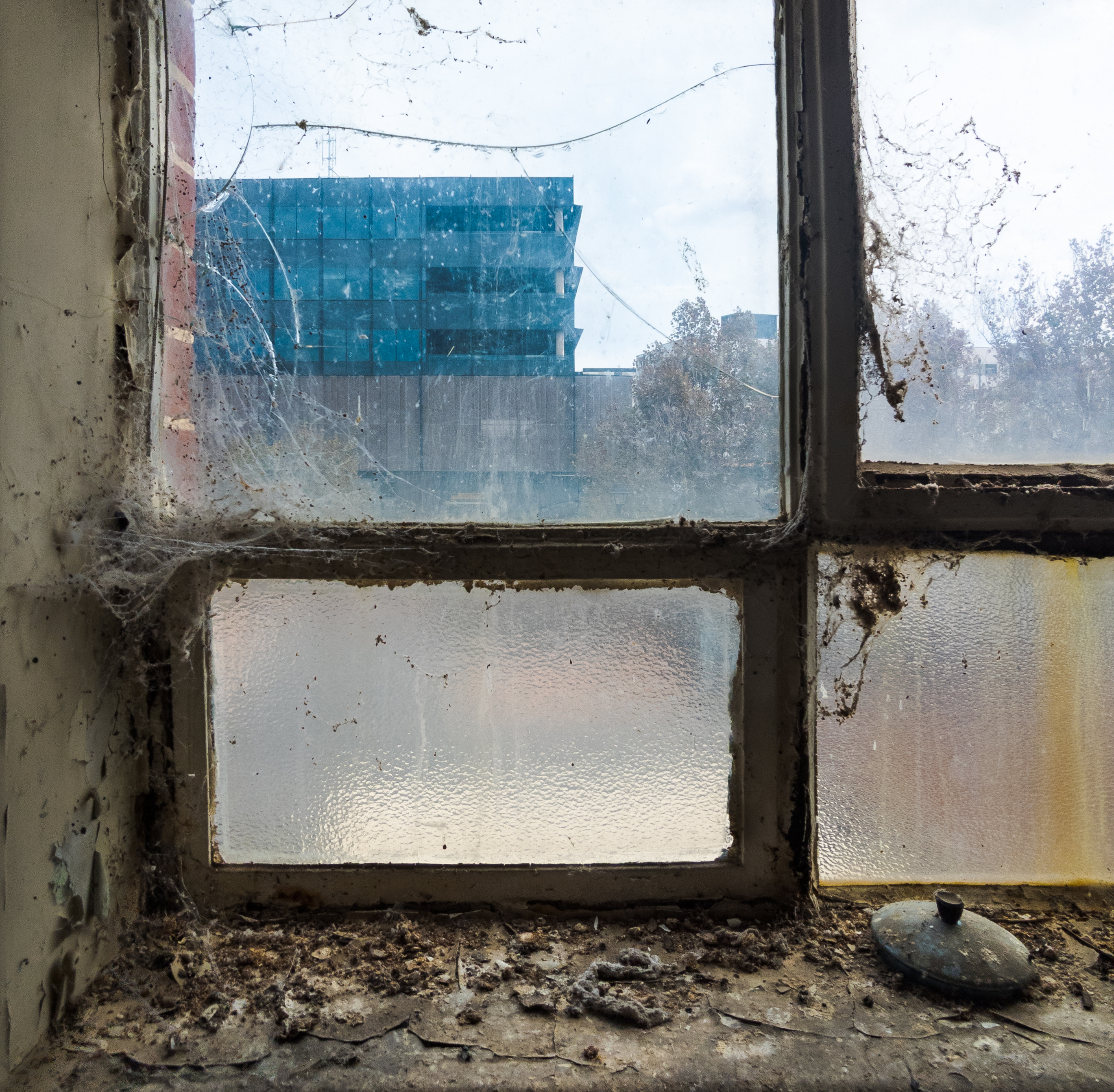
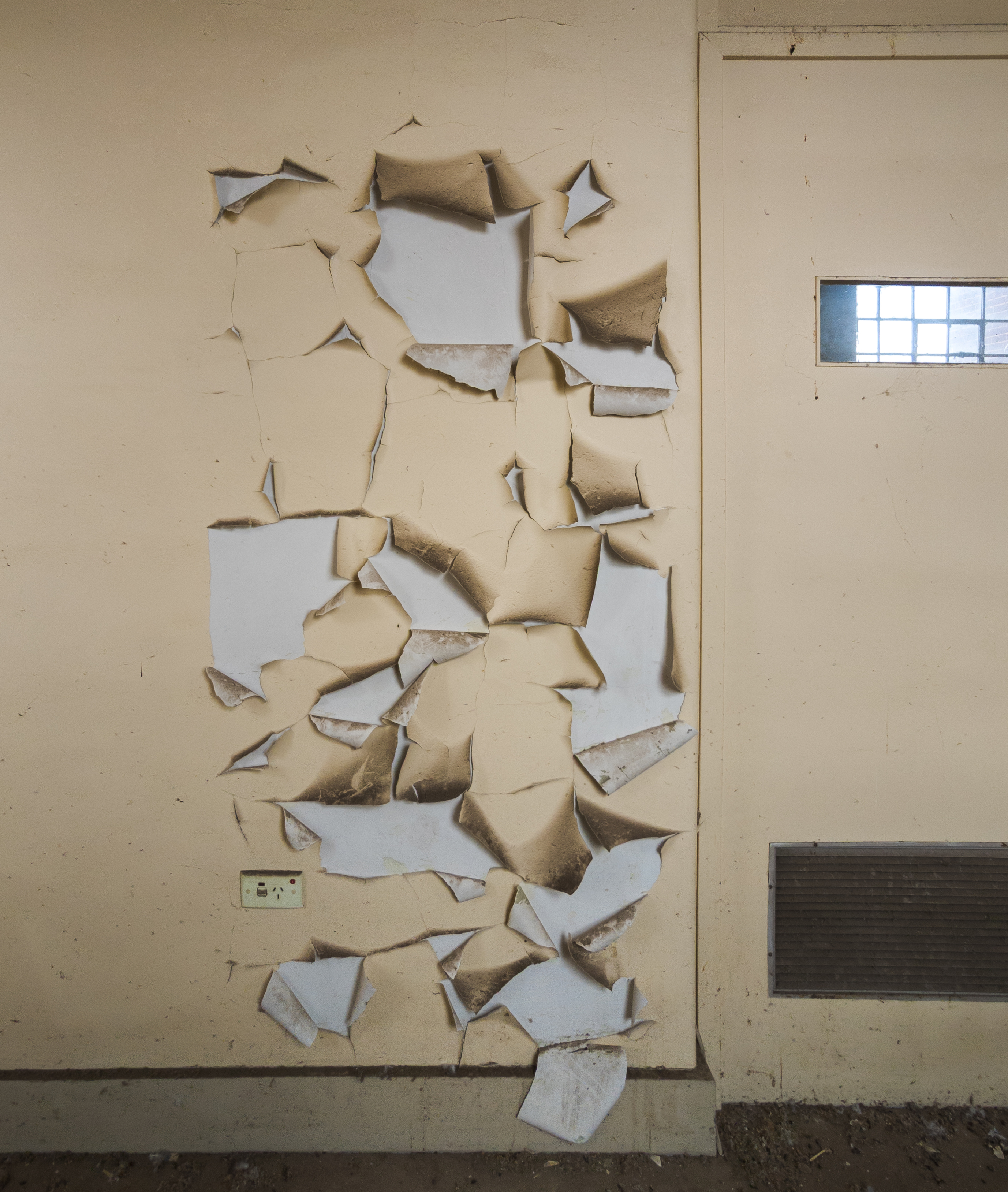
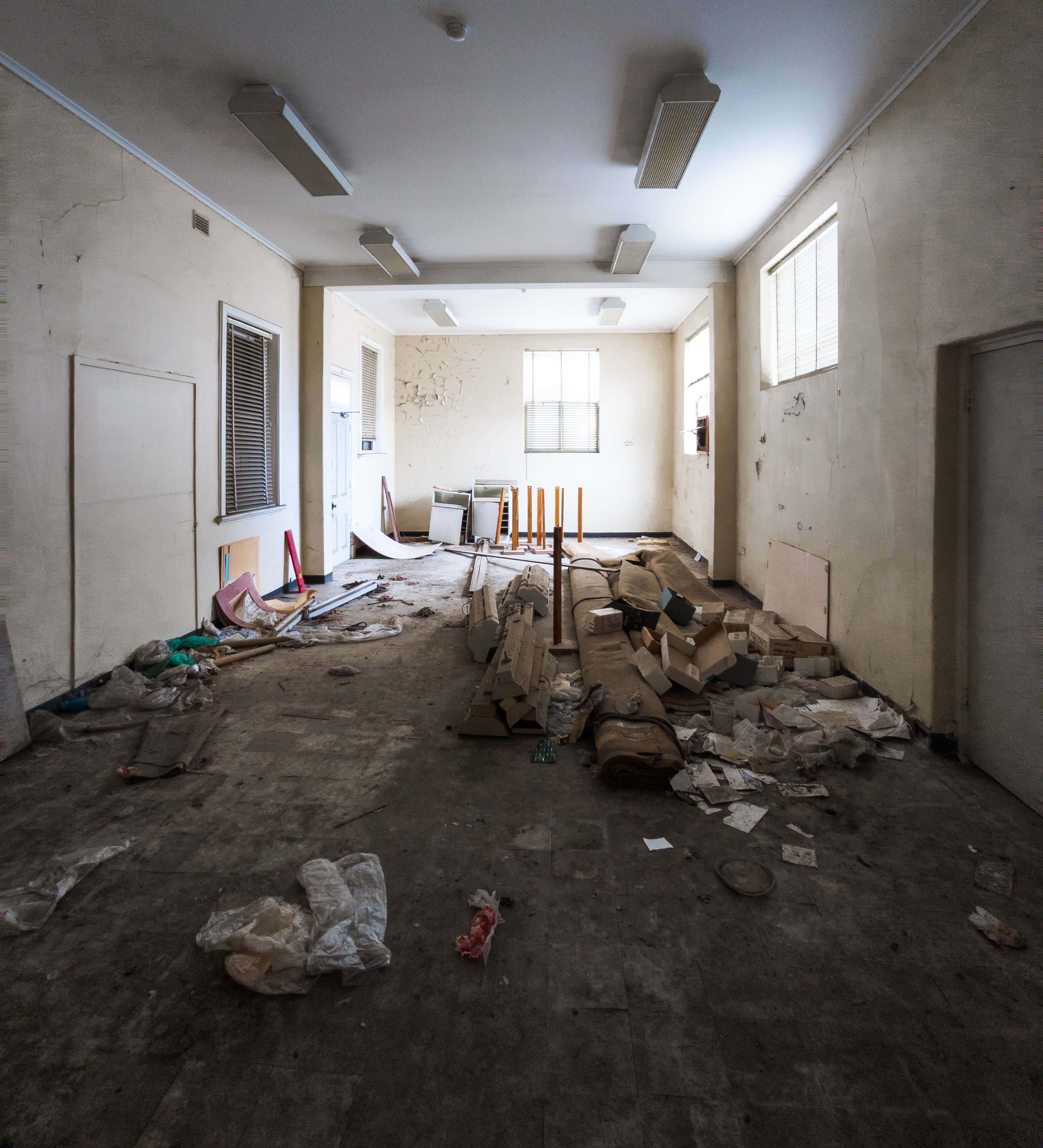
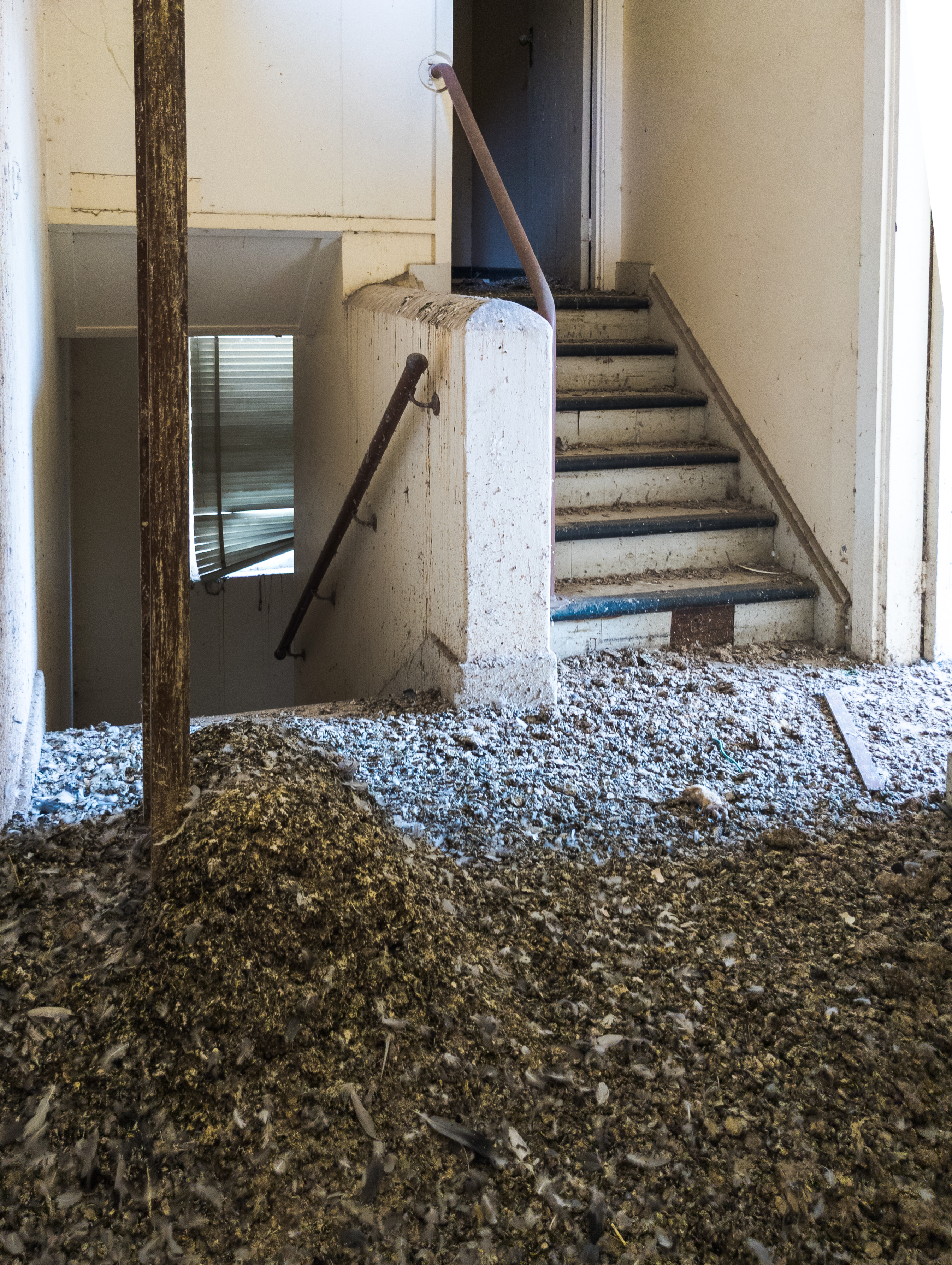
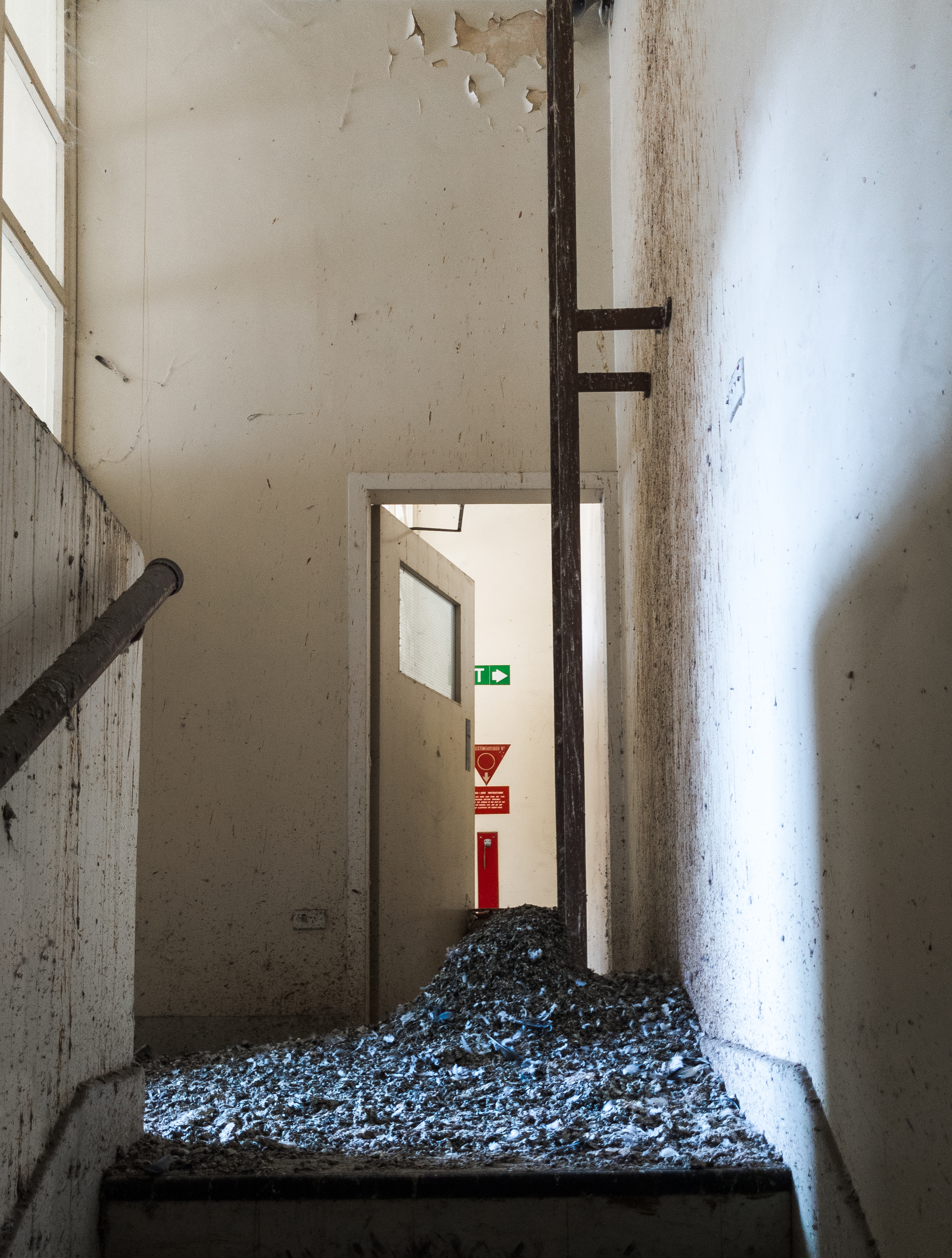
A liminal space is a transitional place or state of being, literally from the Latin word “limen” meaning “threshold,” that is caught between what was and what will be. These are physical spaces like empty hallways or psychological states like major life changes that evoke a complex mixture of feelings, often an unsettling blend of familiarity, nostalgia, and unease. Examples include waiting rooms, deserted parking lots, or the period of adolescence.

Whippet – DEVO

Crack that whip
Give the past a slip
Step on a crack
Break your mama’s back

When a problem comes along
You must whip it
Before the cream sits out too long
You must whip it
When something’s going wrong
You must whip it

Now whip it
Into shape
Shape it up
Get straight
Go forward
Move ahead
Try to detect it
It’s not too late
To whip it
Whip it good

When a good time turns around
You must whip it
You will never live it down
Unless you whip it
No one gets away
Until they whip it

I say whip it
Whip it good
I say whip it
Whip it good

Crack that whip
Give the past a slip
Step on a crack
Break your mama’s back

When a problem comes along
You must whip it
Before the cream sits out too long
You must whip it
When something’s going wrong
You must whip it

Now whip it
Into shape
Shape it up
Get straight
Go forward
Move ahead
Try to detect it
It’s not too late
To whip it
Into shape
Shape it up
Get straight
Go forward
Move ahead
Try to detect it

It’s not too late
To whip it
Whip it good

Quote

there are no perfect victims

This quote is very important to me because of my history of being a victim as both a child and an adult.

For a vast amount of time, I saw myself as a perfect victim. Not just innocent but very special because of what happened to me. This specialness meant that I was not responsible for anything that happened to me.

The reality:

  • Anyone can be a victim of sexual abuse.
  • Anyone can perpetrate sexual abuse.
  • The only person responsible for the abuse is the perpetrator.
  • We are all accountable for proactive prevention and how we respond to victims and perpetrators.
  • There is no ‘right way’ to heal or a ‘correct’ response to experiencing sexual abuse.
  • Every survivor and circumstance is unique.‍

Coming out of denial was rather painful because I had to see myself as I really was. Flawed and imperfect.

I see this in online catfish incidents that end up on Netflix. Some of these people see themselves as perfect victims, when in reality they also play a part in the role. Sometimes a big part in that role.

One of the biggest lessons I had to learn in my life was: If I’m over 18 I am responsible for myself and how I feel. All of it.

It sounds a lot easier than it is in reality. G.