avoidance – what we know now

I’ve met many people with anxiety (Generalized Anxiety Disorder (GAD)panic disorder, and social anxiety disorder) and it’s a very real issue facing people today.

But if you want to make your anxiety worse: go out of your way to avoid it. ‘Avoidance behaviors’ have the ability to amplify your problem, no matter what it is.

I know this because I have PTSD and anyone with PTSD knows that we have an elaborate list of ways we avoid stuff. The list is long. Here are just a few…

  • excessive sleeping
  • alcohol/drugs
  • binge watching TV shows and movies
  • obsessive cleaning
  • overeating

What happens when we do our avoidance stuff, we actually re-enforce the anxiety.

Each time you do the avoidance behavior the anxiety says:

YES! confirmed!

Thank you.

Now I will bring on more anxiety…

…and the cycle just repeats and repeats, sometimes for years or even decades.

The way out of the cycle is to go toward the anxiety (only if it is safe to do so). Going toward the thing you fear is the best way to take away its energy. When this becomes your healthy habit things change significantly.

The opposite of an error is usually the opposite error. – (The Grow Program).

I really wish that someone had told me these lessons. I’m sure life you have been a lot better for me.

Resilient people know that suffering is part of life. Trying to avoid suffering only makes suffering worse. Accept it and move forward, instead of going backwards avoiding all the stuff you find unpleasant.

Gavin.

Quote

there are no perfect victims

This quote is very important to me because of my history of being a victim as both a child and an adult.

For a vast amount of time, I saw myself as a perfect victim. Not just innocent but very special because of what happened to me. This specialness meant that I was not responsible for anything that happened to me.

The reality:

  • Anyone can be a victim of sexual abuse.
  • Anyone can perpetrate sexual abuse.
  • The only person responsible for the abuse is the perpetrator.
  • We are all accountable for proactive prevention and how we respond to victims and perpetrators.
  • There is no ‘right way’ to heal or a ‘correct’ response to experiencing sexual abuse.
  • Every survivor and circumstance is unique.‍

Coming out of denial was rather painful because I had to see myself as I really was. Flawed and imperfect.

I see this in online catfish incidents that end up on Netflix. Some of these people see themselves as perfect victims, when in reality they also play a part in the role. Sometimes a big part in that role.

One of the biggest lessons I had to learn in my life was: If I’m over 18 I am responsible for myself and how I feel. All of it.

It sounds a lot easier than it is in reality. G.

We are hard wired to see the bad in our lives

Last night I was desperately trying to focus on anything other than the bad experience I had earlier in the day. I could change focus for a short while then back to the bad.

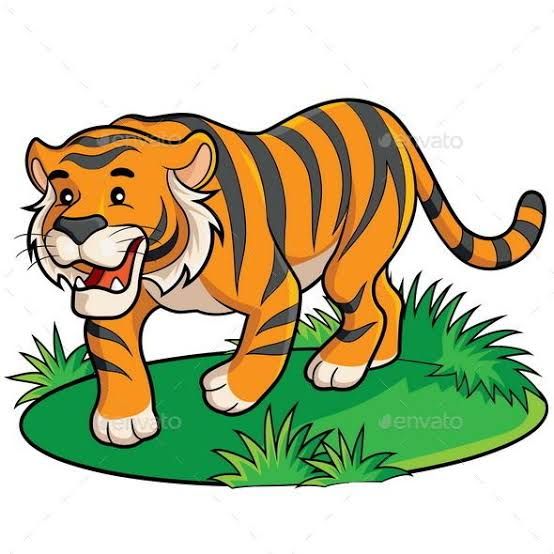
The reason we are hard wired, is so we could survive the tiger waiting in the bushes, ready to attack and eat us.

We are hard wired to SEE the tiger, so we can escape it. This is VERY important. Without it we would be tiger breakfast.

Residential people are able to choose what they focus thier attention on.

Eventually I was able to shift my focus, but I took a while.

Gavin.

Benefit finding

Benefit finding in psychology refers to the positive psychological changes or benefits that individuals perceive after experiencing a challenging or stressful life event. It’s a coping mechanism where individuals actively seek and find positive aspects or growth opportunities within difficult situations.

“Don’t loose what you have, to what you have lost”

Gavin.

Quote

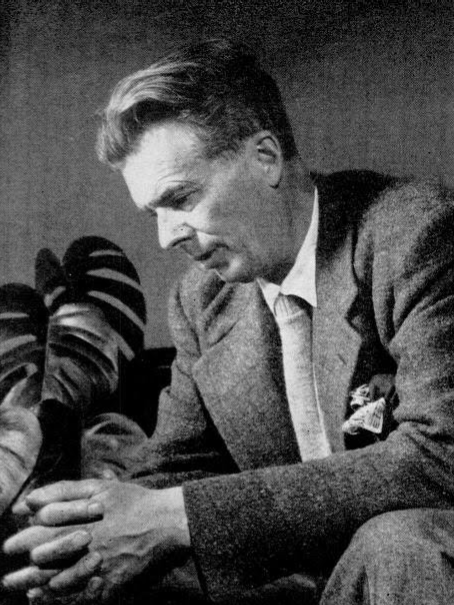
“The surest way to work up a crusade in favour of some good cause is to promise people they will have a chance of maltreating someone. To be able to destroy with good conscience, to be able to behave badly and call your bad behaviour ‘righteous indignation’ — this is the height of psychological luxury, the most delicious of moral treats.” 

 – Aldous Huxley

The mind

“The harder the mind struggles to get rid of the pain, the greater the pain. 
The mind can never find the solution, nor can it afford to allow you to find the solution, because it is itself an intrinsic part of the ‘problem.’ 

Imagine a chief of police trying to find an arsonist when the arsonist is the chief of police. 

You will not be free of that pain until you cease to derive your sense of self from identification with the mind,
which is to say from ego.” 

~ Eckhart Tolle

Hi All.

Sorry I’ve not been around much lately. Been focusing on music, which is my passion.

This quote from Eckhart is one of my favourites. Identification with your thoughts is the great trap of our century.

My thoughts are not who I am. This is the great freedom to be had…

Not easy, but it is essentially the path to peace.

Gavin.

love and truth

The concepts of love and truth don’t always seem to sit together comfortably: sometimes it seems like the pursuit of truth requires us to sacrifice love, and other times, we might feel that to pursue love is to sacrifice the truth. Most of us feel this tension at times. But for Benedict, this was a false choice. Love and truth are inseparable, he said, and a society that sacrifices truth also sacrifices love.

‘Only in truth does charity shine forth, only in truth can charity be authentically lived. Truth is the light that gives meaning and value to charity … it grasps its meaning as gift, acceptance, and communion. Without truth, charity degenerates into sentimentality. Love becomes an empty shell, to be filled in an arbitrary way. In a culture without truth, this is the fatal risk facing love [my emphasis]. It falls prey to contingent subjective emotions and opinions, the word ‘love’ is abused and distorted, to the point where it comes to mean the opposite’ (Caritas in Veritatei, §3).

The deepest craving of the human heart is to love and be loved. But if we give up on truth, we give up on something else we hold precious, something that defines our very existence: love itself.

Father there – but not there

I was born in 1966 into a dysfunctional family. I didn’t ever have a relationship with my father because he didn’t want that with his kids.

Apparently, my eldest sister did spend time with my father for a while when she was a child. She said that this time she had was precious, but didn’t last.

So, my father would ignore me except when he was angry or when he wanted to make a fool of me. I was a sensitive child and wasn’t the typical male kid, but I was very good at calisthenics and all things fitness.

I just can’t understand why someone would have three children and then ignore them(?)

I ran away from home at age 16 because I could no longer put up with the mental/emotional and physical abuse from my father.

I moved to the city permanently and I avoided going home to visit my parents because of my father’s abuse.

I would get these letters from him asking me to come home because my mother wanted to see me. Over the years I got a lot of letters from him asking me to come home because of my mother. He never said anything about wanting to see me (in these letters).

Both my parents would visit me in the city (where I lived) every time they would come to the city, but they would only stay for ten minutes. I worked out this short time was all my father could put up with to see me. They would have a coffee and then leave. My father often gave me money. My mother said it was because he felt guilty. I will never know if this was true because my father refused to speak to me about anything other than: how’s your job? How’s your car? etc.

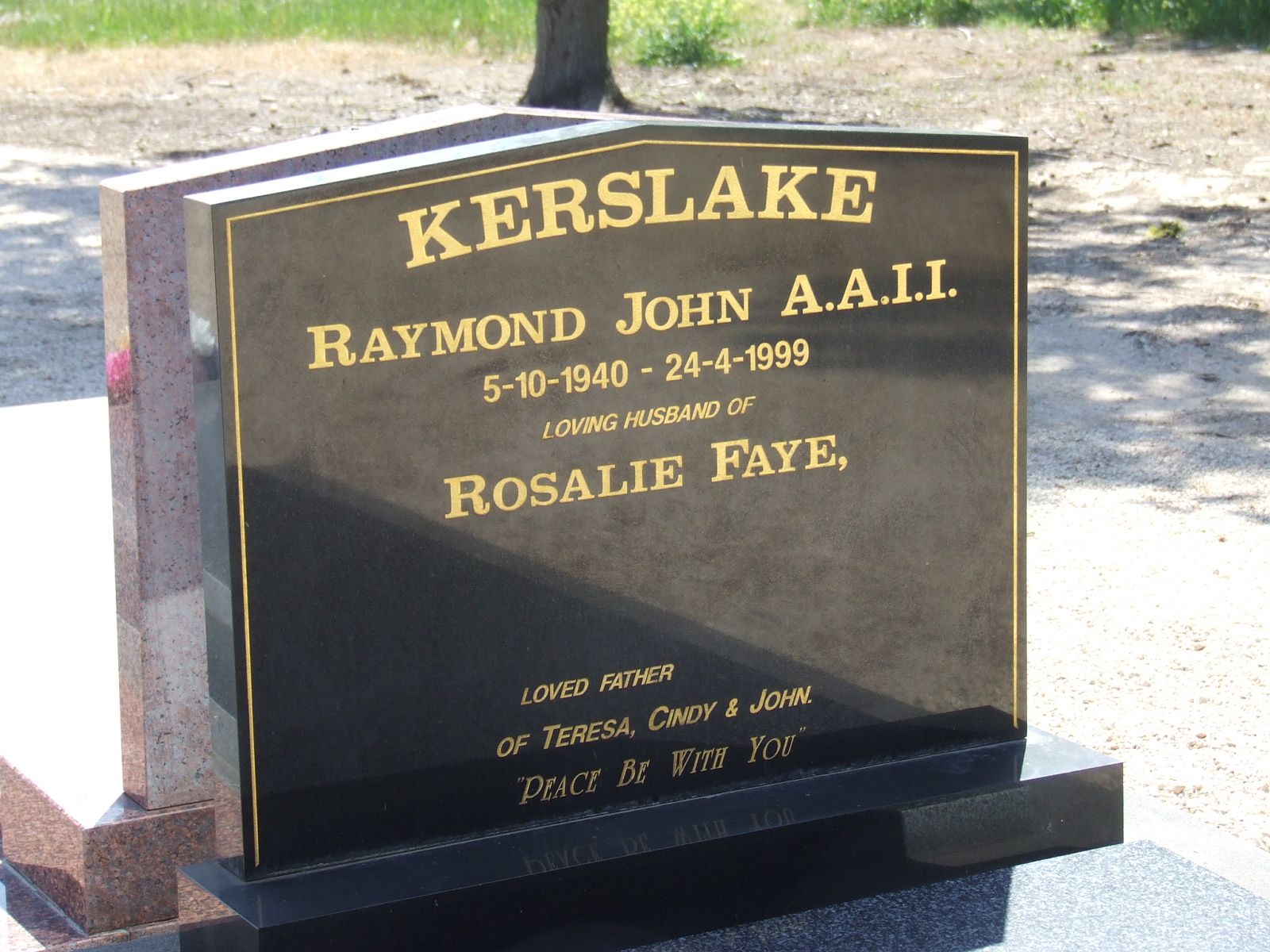
My father died in 1999. He was both not-a-good-person, and an intelligent and hard-working man. Even when I spoke to other people in the town (when he died) they said he was seen both as an arshole and a good person.

When I watch stuff on Netflix about families and the amazing bonds they can have I am baffled by it because I never had that with my family. I can well imagine how nice it would be. But I’ll never know the love of family.

Gavin.

I changed my name to Gavin when I was 33, hence the different name on the headstone.