Father there – but not there

I was born in 1966 into a dysfunctional family. I didn’t ever have a relationship with my father because he didn’t want that with his kids.

Apparently, my eldest sister did spend time with my father for a while when she was a child. She said that this time she had was precious, but didn’t last.

So, my father would ignore me except when he was angry or when he wanted to make a fool of me. I was a sensitive child and wasn’t the typical male kid, but I was very good at calisthenics and all things fitness.

I just can’t understand why someone would have three children and then ignore them(?)

I ran away from home at age 16 because I could no longer put up with the mental/emotional and physical abuse from my father.

I moved to the city permanently and I avoided going home to visit my parents because of my father’s abuse.

I would get these letters from him asking me to come home because my mother wanted to see me. Over the years I got a lot of letters from him asking me to come home because of my mother. He never said anything about wanting to see me (in these letters).

Both my parents would visit me in the city (where I lived) every time they would come to the city, but they would only stay for ten minutes. I worked out this short time was all my father could put up with to see me. They would have a coffee and then leave. My father often gave me money. My mother said it was because he felt guilty. I will never know if this was true because my father refused to speak to me about anything other than: how’s your job? How’s your car? etc.

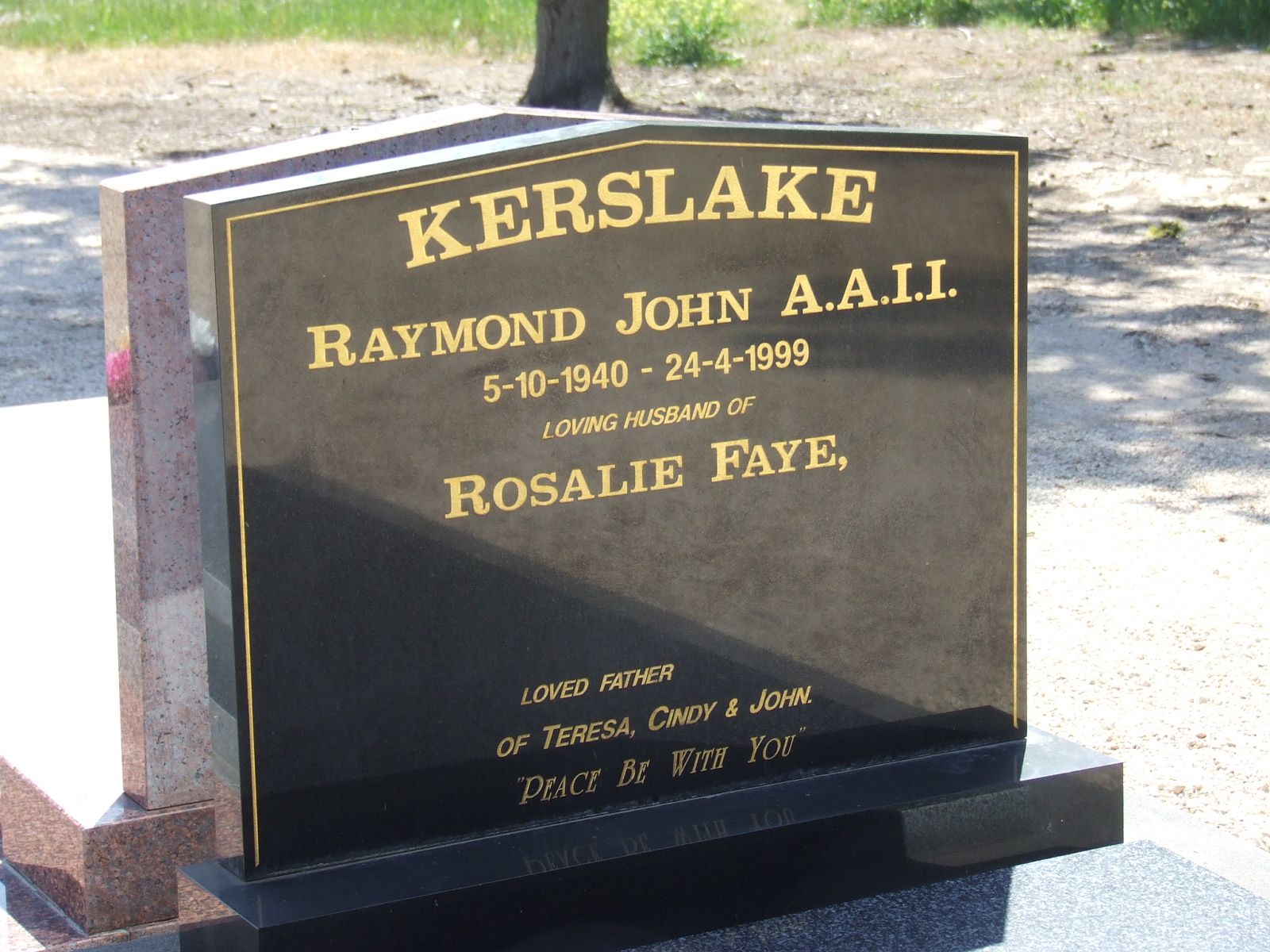
My father died in 1999. He was both not-a-good-person, and an intelligent and hard-working man. Even when I spoke to other people in the town (when he died) they said he was seen both as an arshole and a good person.

When I watch stuff on Netflix about families and the amazing bonds they can have I am baffled by it because I never had that with my family. I can well imagine how nice it would be. But I’ll never know the love of family.

Gavin.

I changed my name to Gavin when I was 33, hence the different name on the headstone.
Image

blue period of Picasso

Portrait of Mateu Fernández de Soto

Just letting you know I will not be uploading any more confronting art, so you can relax.

I don’t like most of the art from Picasso, and I don’t like the man either, but I do like this painting from his blue period.

I don’t care about any painting’s value because value in art is completely arbitrary. I would love to own Rothko paintings but will never ever be able afford them.

If you enjoy some art, enjoy it. It doesn’t need to have any external value for it to be good.

Gavin.

more confronting paintings (part two)

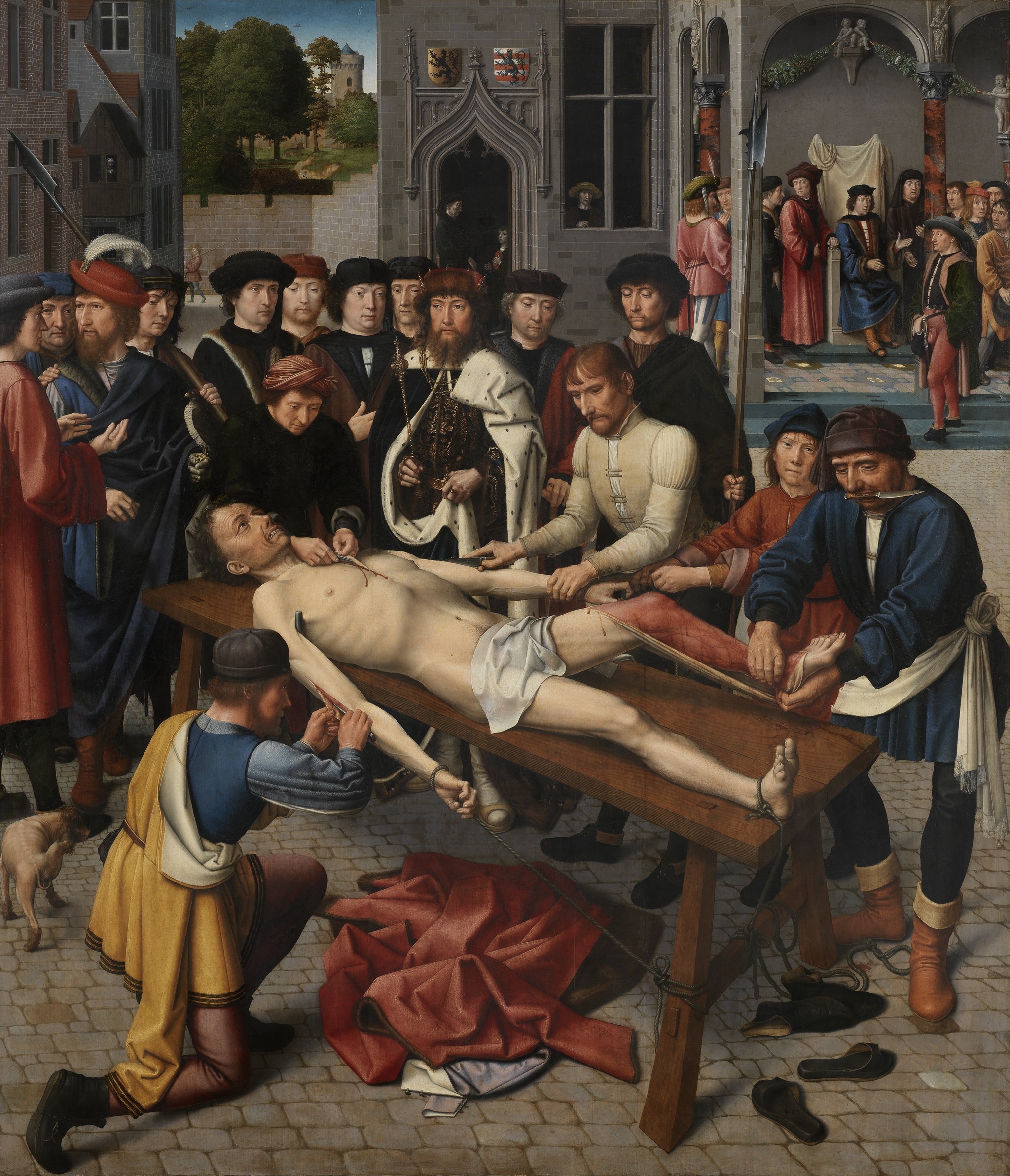
Gerard David – The Judgement of Cambyses 1488

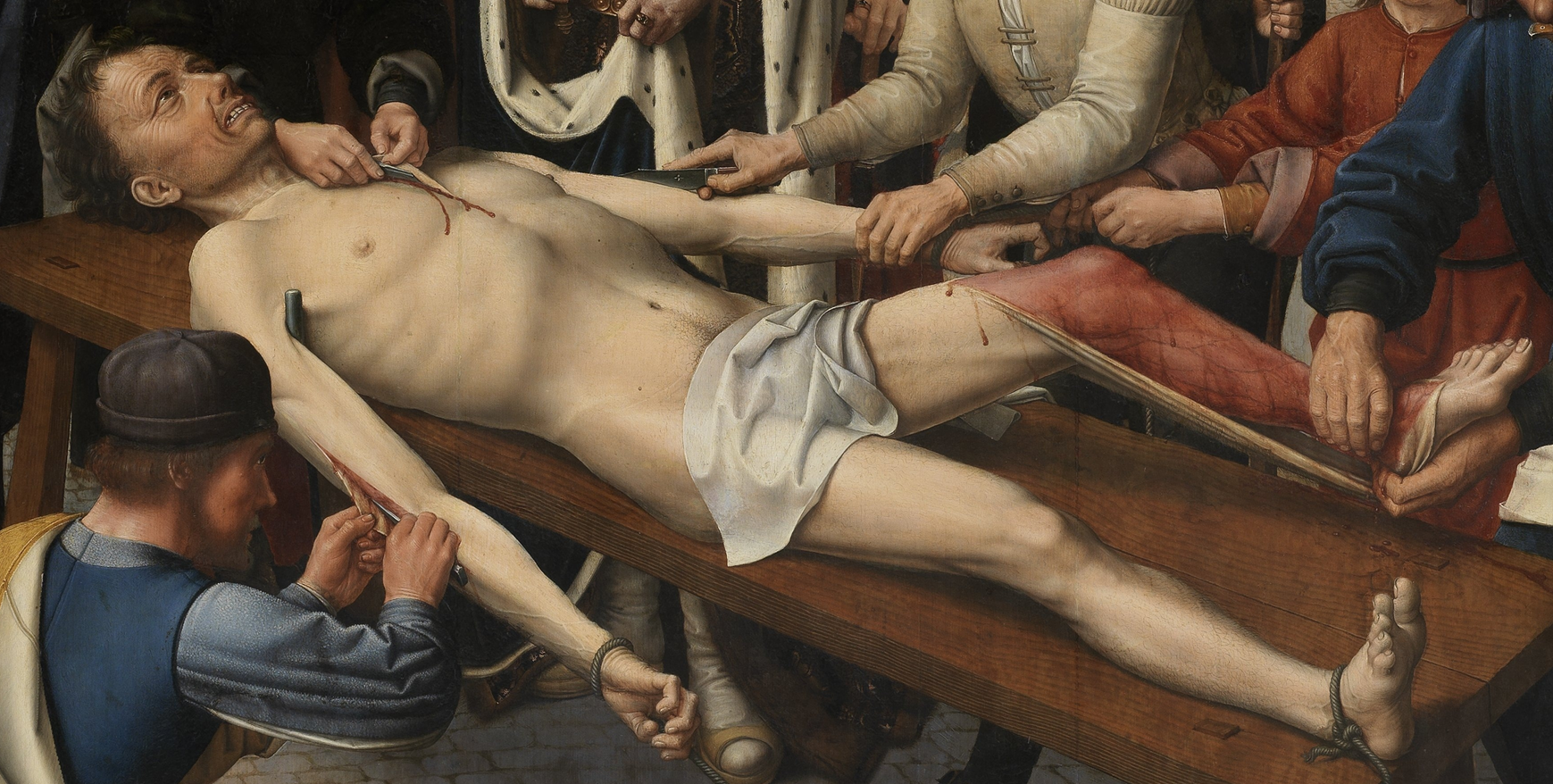
Flaying has always both terrified me and made me curious ever since I saw the film Martyrs 2008, by Pascal Laugier.

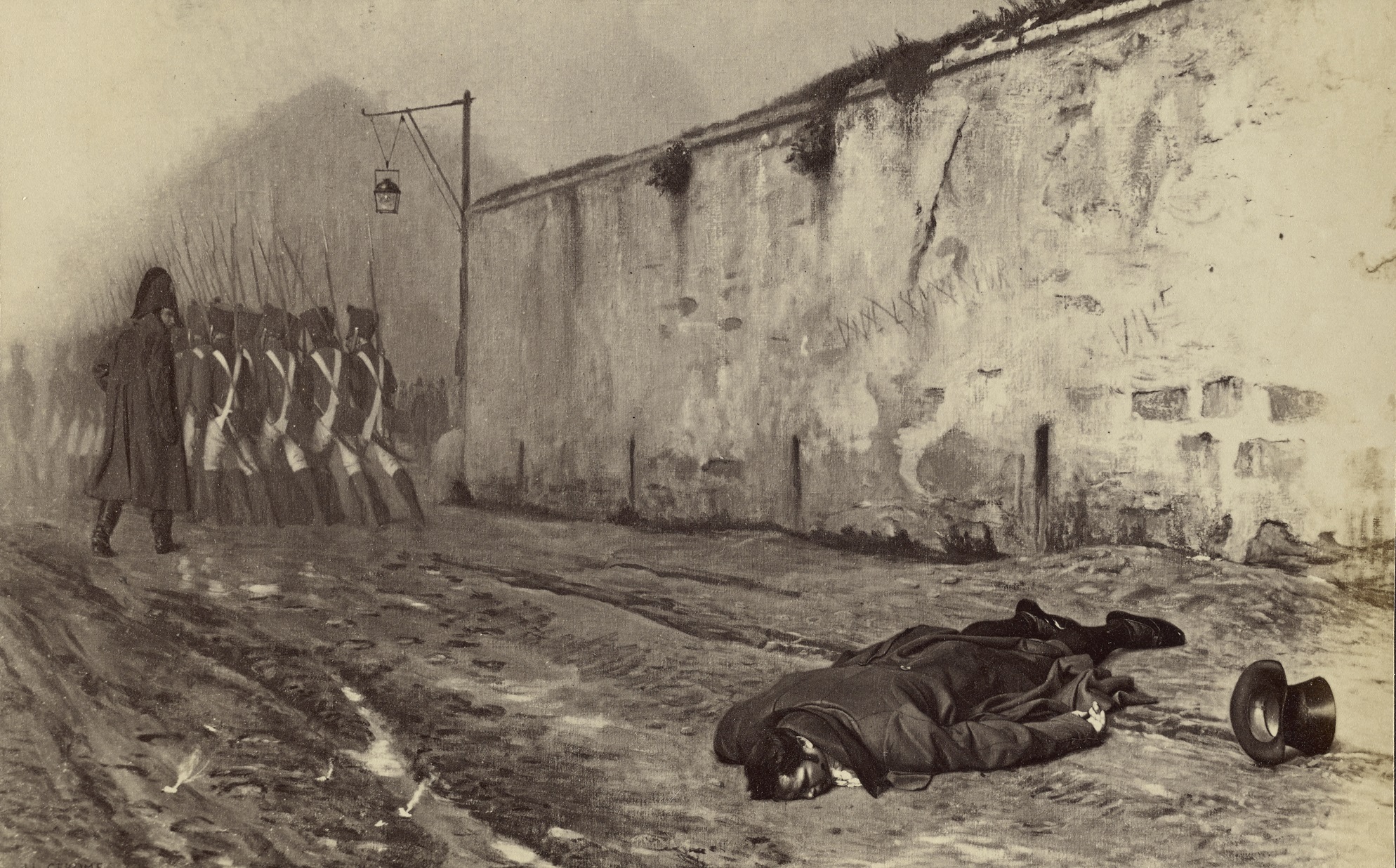
Jean-Léon Gérôme – The Execution of Marshal Ney. (I really like this painting. The soldiers are walking away, and Ney is dead with his face in the mud. The silence is deafening.)

C. R. W. Nevinson – A taube (1916)

Death of Alan Kurdi

more confronting paintings

With my recent adventure into morbid paintings I discovered these interesting art paintings…

Eugène Trigoulet – Le Précurseur (1894) 

Caravaggio – Judith Beheading Holofernes 1598. Judith gets Holofernes drunk, then seizes her sword and slays him: Approaching to his bed, she took hold of the hair of his head.

Franz von Stuck – Lucifer 1890

here you can clearly see the wings of Lucifer.

Ilya Repin – Ivan the Terrible and His Son 1885

Parricide is the deliberate killing of one’s own parent, spouse, child, or other close relative. However, the term is sometimes used more generally to refer to the intentional killing of a near relative. It is an umbrella term that can be used to refer to acts of matricide, the deliberate killing of one’s own mother and patricide, the deliberate killing of one’s own father.

Nicolai Abildgaard – Nightmare 1800

My Dream, My Bad Dream by Fritz Schwimbeck

Hans Holbein – The Body of the Dead Christ in the Tomb 1521

Caravaggio – The Beheading of Saint John the Baptist  1608

Jakub Schikaneder – Murder in the house, 1890

Rembrandt – The Anatomy Lesson of Dr. Nicolaes Tulp 1632

Rembrandt – The Anatomy Lesson of Dr. Deijman (alternative spelling Deyman) 1656