


















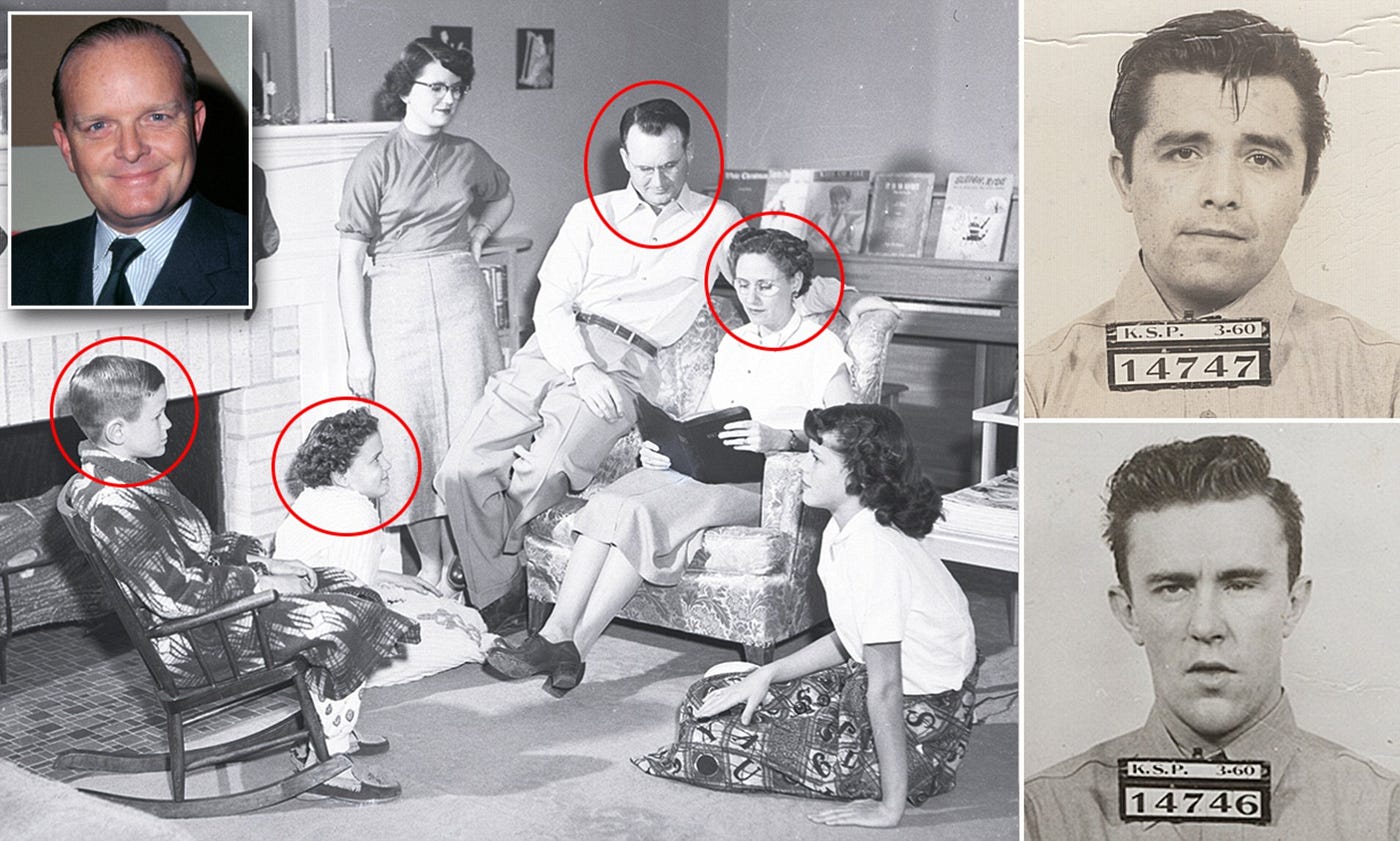
For me this is one of the worst crimes of all time. I remember seeing ‘In Cold Blood’ for the first time in the 90s and I was shocked to my core.

In the early morning of November 15, 1959, four members of the Clutter family – Herb Clutter, his wife, Bonnie, and their teenage children Nancy and Kenyon – were murdered in their rural home just outside the small farming community of Holcomb, Kansas.


One-Trick Pony
noun
a person or thing with only one special feature, talent, or area of expertise.
Some word experts say the idiom “one-trick pony” comes from the circus. A circus pony that can only do one trick is not going to entertain a crowd for very long. The term “one-trick pony” appeared around the turn of the twentieth century. Within about fifty years, the term had become an idiom.
Away with the Pixies
informal•British English
(see also: away with the fairies)
distracted, in a dreamworld, or out of touch with reality.
“you seem away with the pixies, are you listening?”
Pixies are: playfully impish or mischievous, prankish.
pixie mood; a pixie sense of humor.
The origin of the phrase “away with the pixies” is unclear, but it relates to the folklore of pixies, which dates back to Celtic Britain and is particularly prominent in Southwest England. The idiom, used to describe someone mentally absent or flighty, suggests a connection to fairies taking or captivating people’s minds in folklore. While the phrase isn’t directly from a single source, it draws on the folk belief that pixies were mischievous entities capable of robbing people of their wits, as seen in stories and folklore.
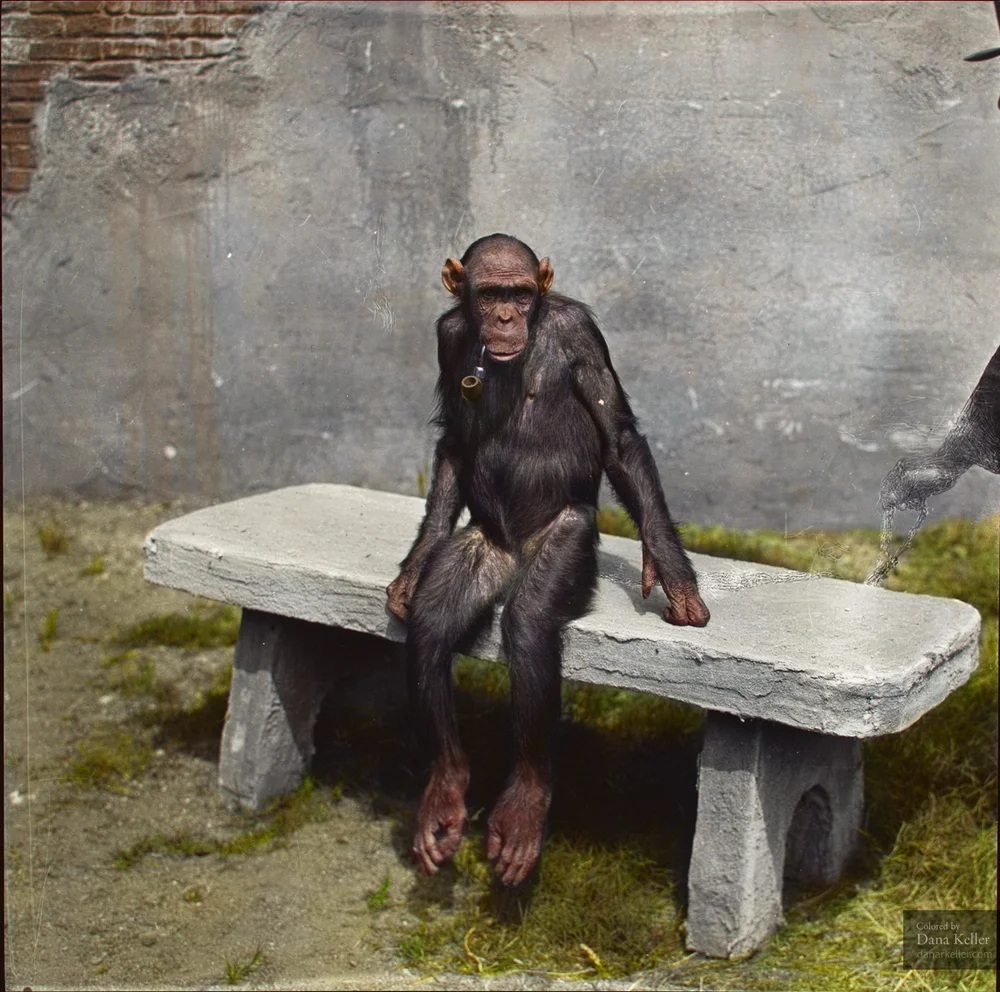
Enen a trained Monkey can do that
We need to be careful that we don’t offend the monkey community while explaining this one.
To all monkeys past and present, we honour you.
It would be phrased as such largely because the person doing it wouldn’t require much intelligence nor oversight – and likely the connotation that the person would also be paid peanuts. Not literally, of course.
All of this imagery is made to offend deliberately, and to derogate those who take these types of jobs.

During war time nostalgia was considered a serious, sometimes fatal, medical condition that included symptoms like anxiety, insomnia, and heart palpitations, and was often treated by returning the soldier home.
While today nostalgia is seen as a benign longing for the past, in the 17th to 19th centuries, it was viewed as a mental illness, particularly among soldiers, and was a precursor to later understandings of conditions like PTSD.
The longing for home and the past served as a psychological coping mechanism for soldiers facing trauma and separation from loved ones.
Historical Understanding and Treatment
Nostalgia as a Coping Mechanism

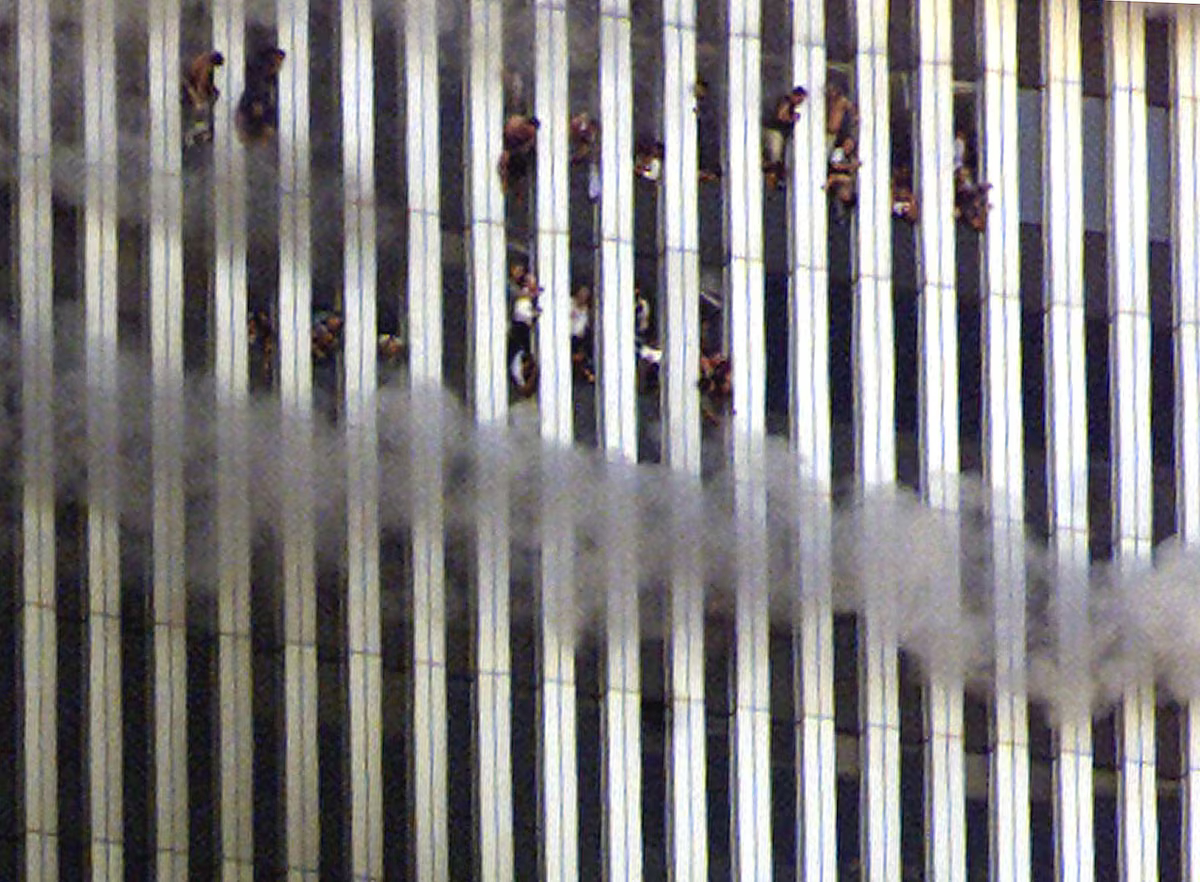


I have and continue to watch endless hours on YouTube about the 9/11 attacks on America.
14 Survivors in Stairwell B (North Tower) These individuals were spread out between floors 22 and the first floor.

World Trade Center Marriott Hotel on September 11
14 people survived the south tower collapse on top of the hotel. Included Frank Razzano and Jeff Johnson.


this YouTube video is really good if you have the time to look. I love history so much. Gavin.


I only learnt about this disaster today. Approximately 600 people died.


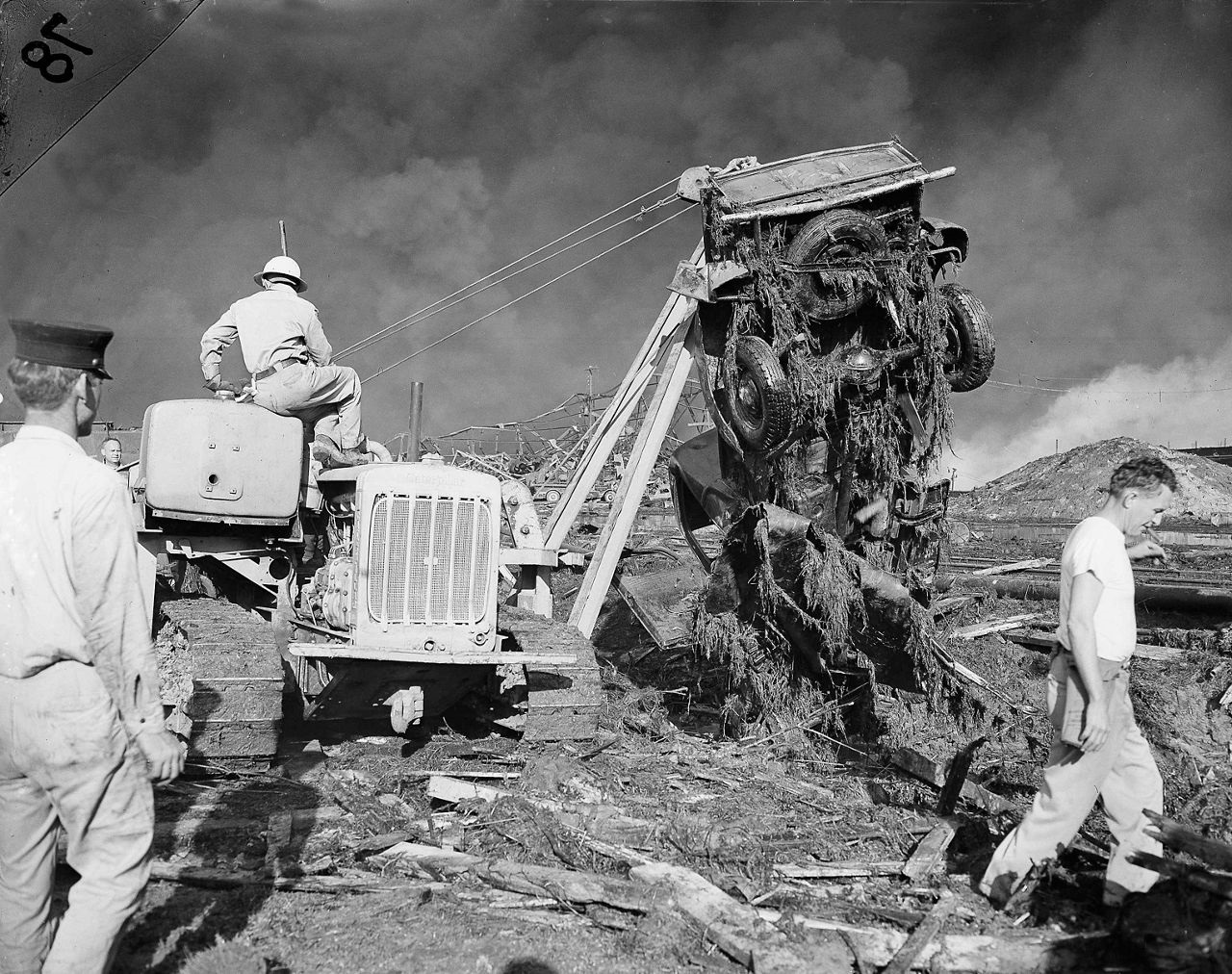


The 1947 Texas City disaster was an industrial accident that occurred on April 16, 1947, in the port of Texas City, Texas, United States, located in Galveston Bay. It was the deadliest industrial accident in U.S. history and one of history’s largest non-nuclear explosions.
The explosion was triggered by a mid-morning fire on board the French-registered vessel SS Grandcamp (docked at port), which detonated her cargo of about 2,300 tons (about 2,100 metric tons) of ammonium nitrate.[1] This started a chain reaction of fires and explosions aboard other ships and in nearby oil-storage facilities, ultimately killing at least 581 people, including all but one member of Texas City’s volunteer fire department.
A recollection of items and events encountered in the past 7 decades (a/o 2025) of my life on Planet Earth
Imagination with discovery, fiction and art.
Sapere aude!
Island photography and written words at their best.
Un peu de tout peinture, pastel, logiciel 3d et autres / A bit of everything painting, pastel, 3d softwares and a bit more
Science, Philosophy, Desire
I suffer from chronic migraine - at The Mindful Migraine blog I share some of the ideas that have helped - I hope they help you too.
Quirky internet wunderkammer
A Place Where Narcissist Scapegoats Convene
THE DRIVELLINGS OF TWATTERSLEY FROMAGE
Poetry, Photography, and Thoughts
Historical and Horror Fiction Writer
Psychotherapy, Walk and Talk Therapy, Neurodiversity, Mindfulness, Emotional Wellbeing
RECIPES /COOKING VIDEOS
Love is Joy!
Life is all about being curious, asking questions, and discovering your passion. And it can be fun!
Writer
We're all on a road to somewhere.
Life after high conflict divorce with children
My Life After Narcissistic Abuse
Stories, Poetry, Thoughts, Life
Just another WordPress.com site
Stella
Pursuing sanity in a world insane
Exploring the abandoned, derelict and forgotten of Adelaide, South Australia and beyond
the most beautiful sound next to silence.
"Literature is language charged with meaning." Ezra Pound
You know, it's cool for cats.
Life Experiences, Quotes & Randoms
Sharing steps from my path of life...
"El Mundo Visible es Sólo un Pretexto" / "The Visible World is Just a Pretext".-
Fotoblog
My 2016 iPhone Project 366
a picture a day - no exceptions (c) yours truly
Sharing Great Blog Posts
Exhibiting Artist
Wisdom from the Blogs I Follow
west517 | the world we know
Ina Vukic - Croatia: people, politics, history, economy, transition from communism to democracy
The only archive reviewing every ECM album in existence.
Le PhotoBlog de SeniSilat
Ink, pen and watercolor
'Cuz Yesterday Is Long Gone & Tommorow Is Unpromised
Surviving through Depression. "Specter" is the personification of my depression.
 Noir
Noir 