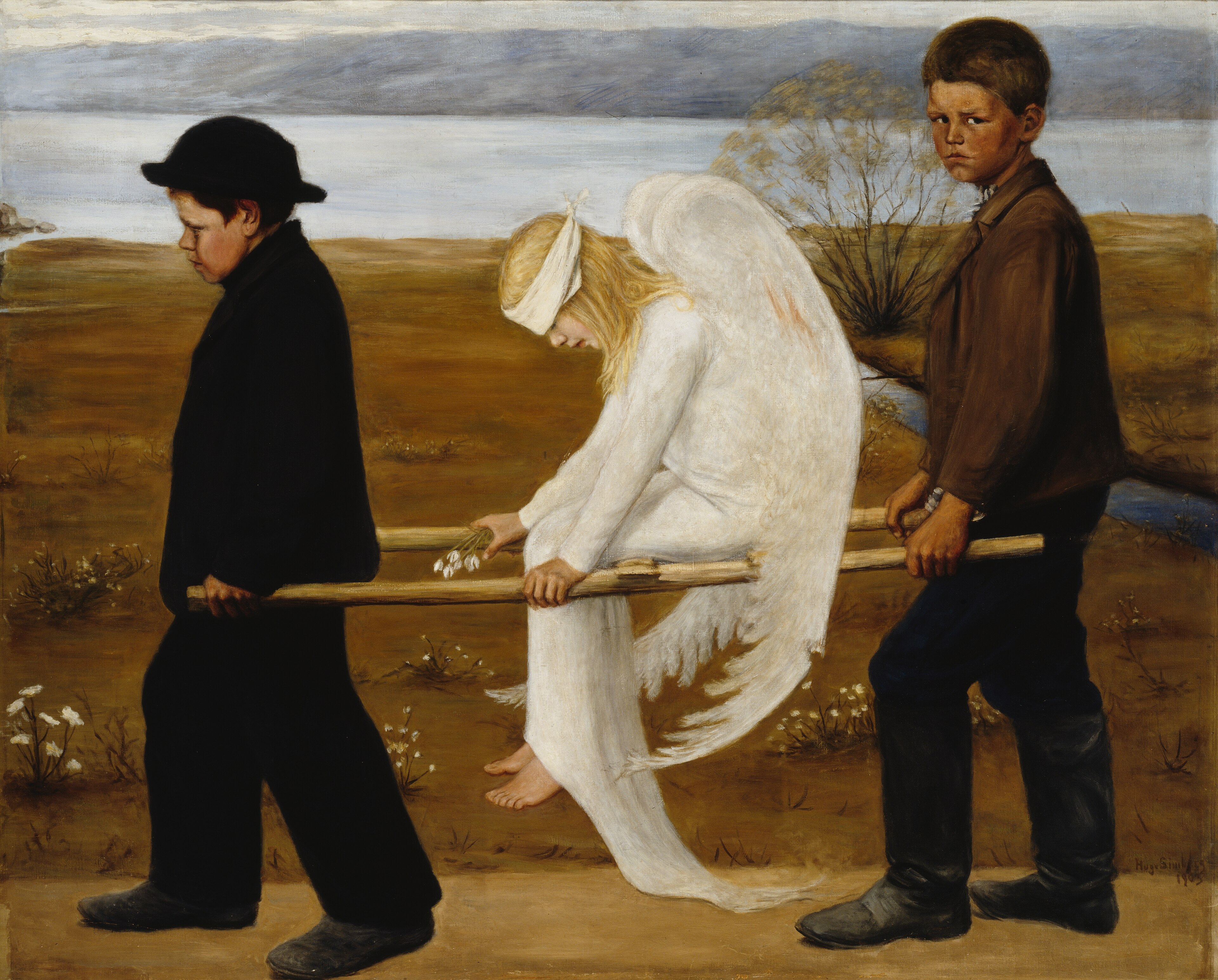
Hugo Simberg experienced anxiety and depression and was treated for this illness.


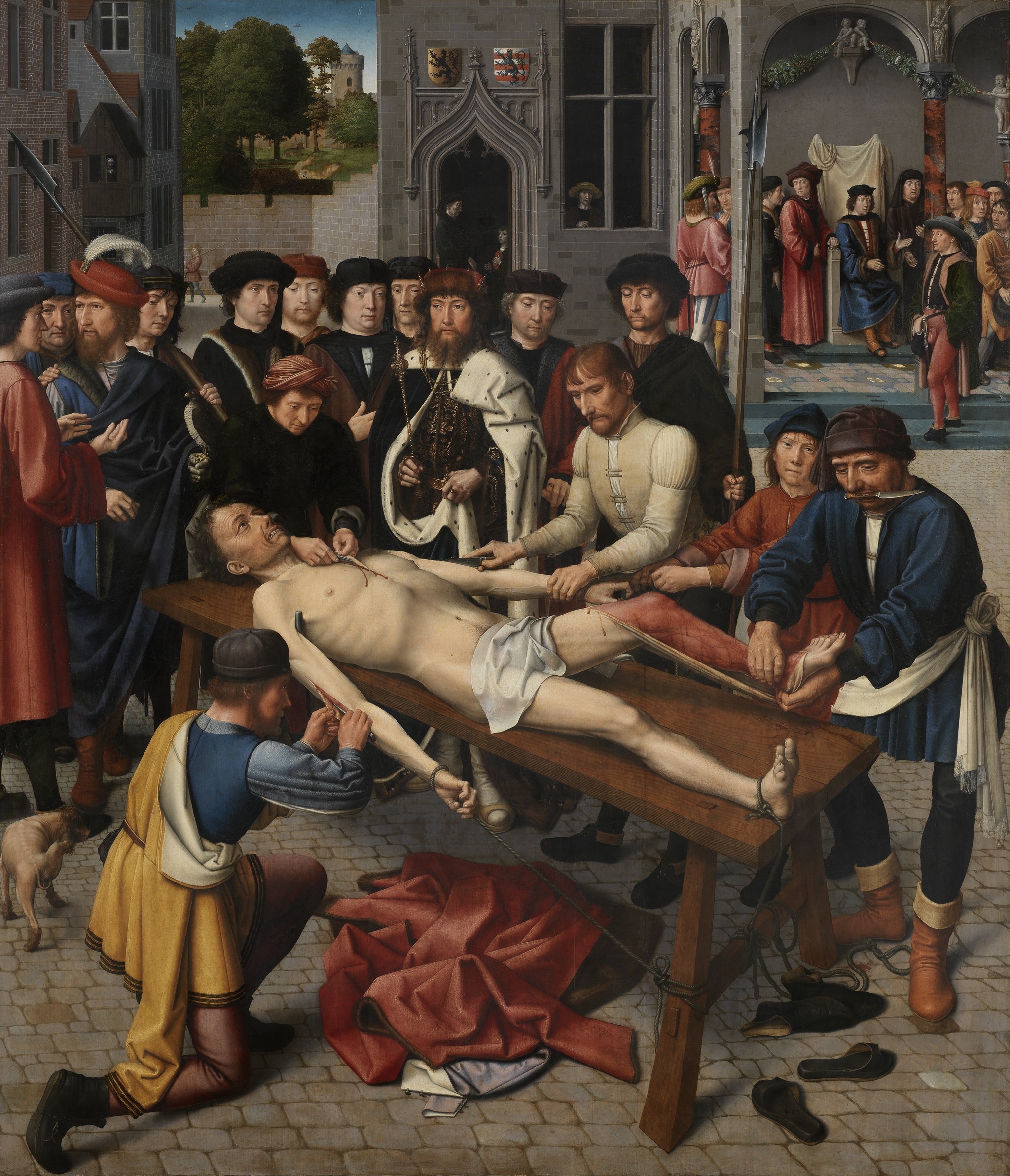
Gerard David – The Judgement of Cambyses 1488
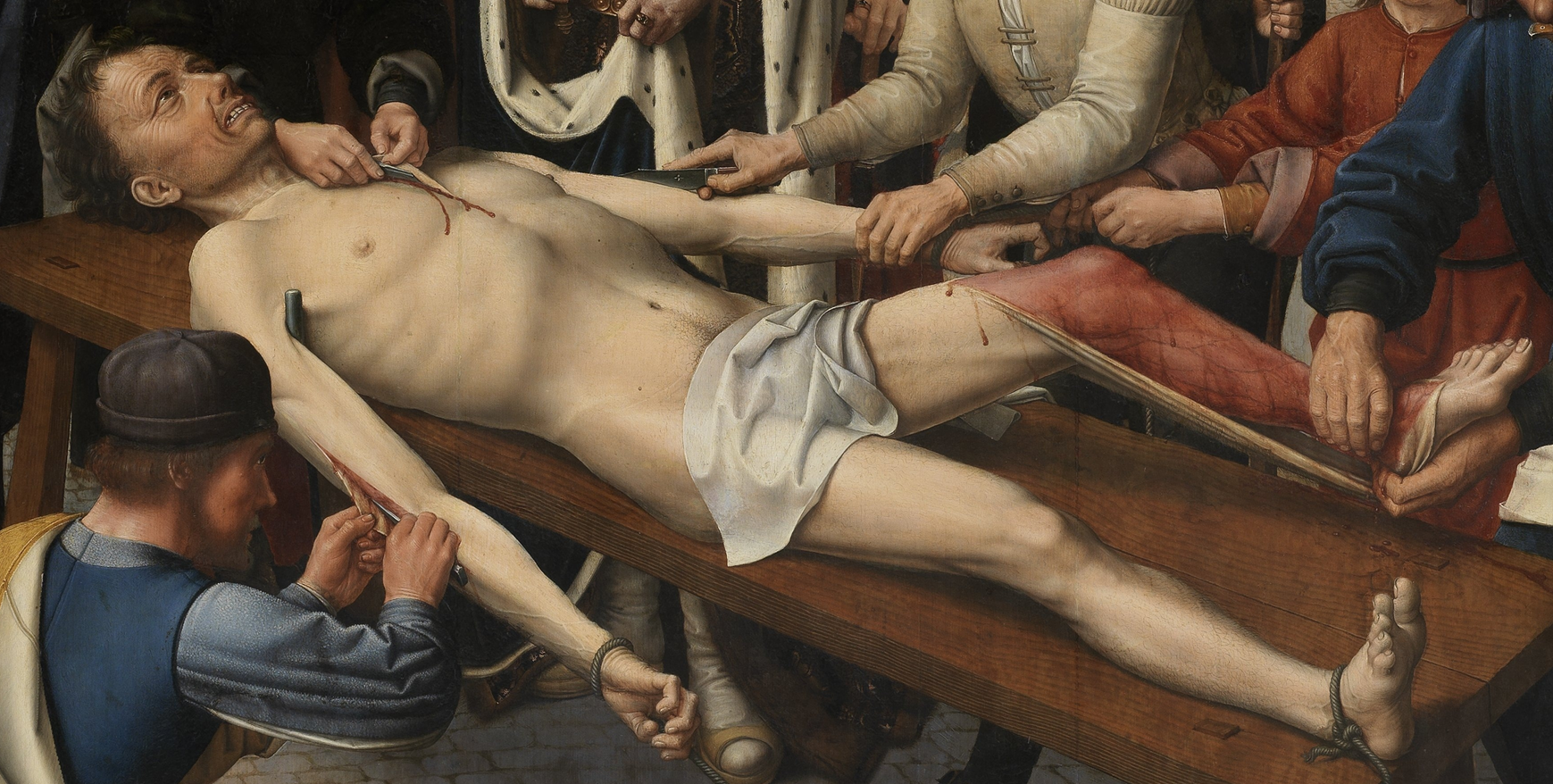
Flaying has always both terrified me and made me curious ever since I saw the film Martyrs 2008, by Pascal Laugier.
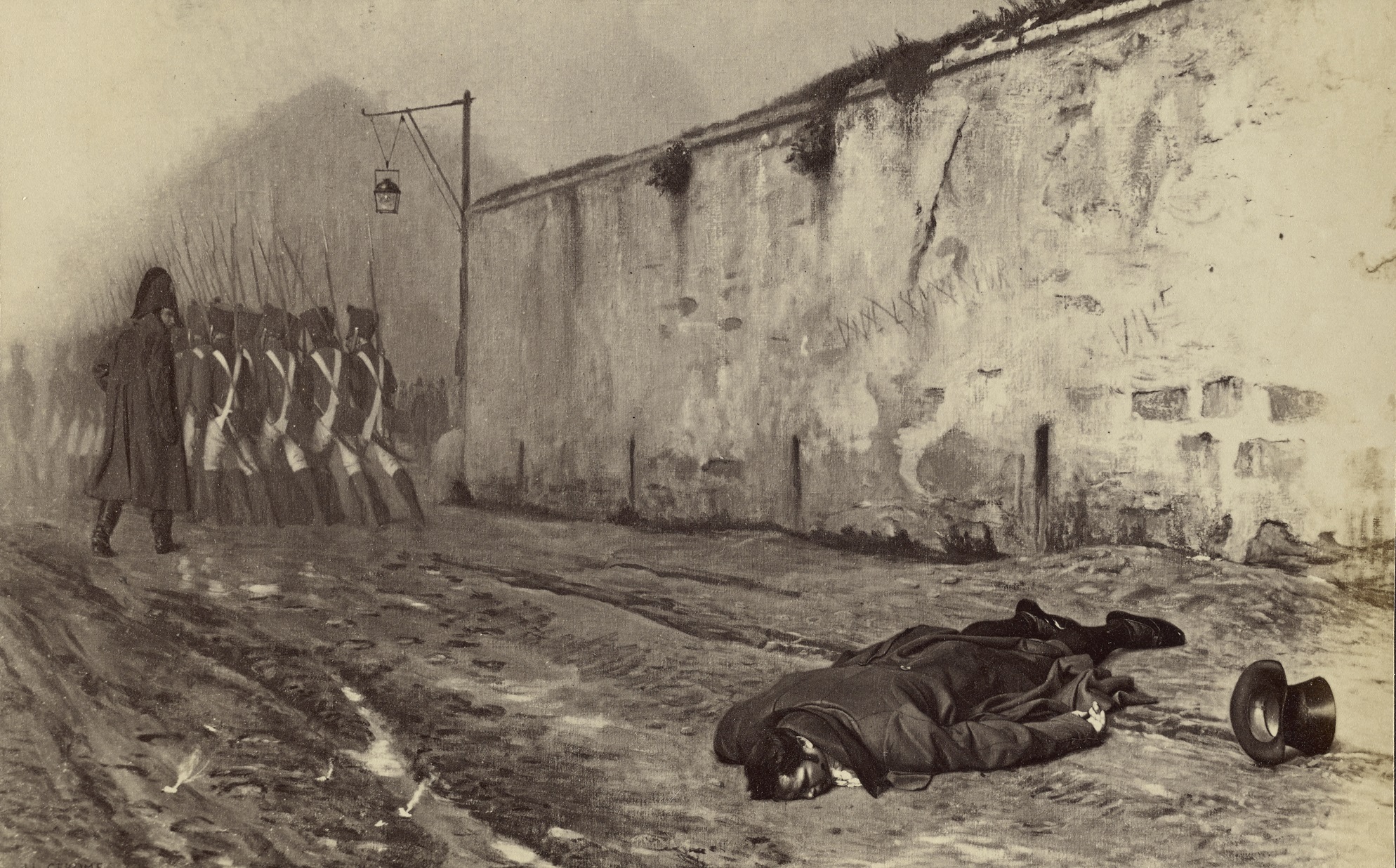
Jean-Léon Gérôme – The Execution of Marshal Ney. (I really like this painting. The soldiers are walking away, and Ney is dead with his face in the mud. The silence is deafening.)

C. R. W. Nevinson – A taube (1916)

Death of Alan Kurdi
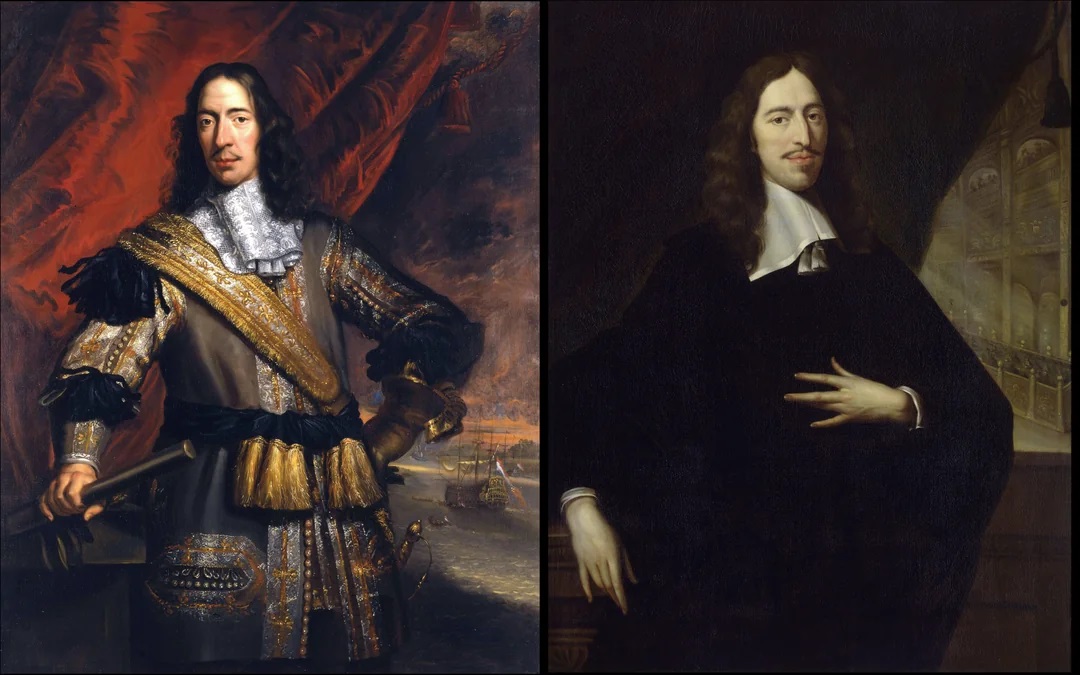
In 1672, the De Witt brothers were beaten, mutilated, and hanged before a crowd. It is even said that the people themselves committed an act of cannibalism with their severed body parts.
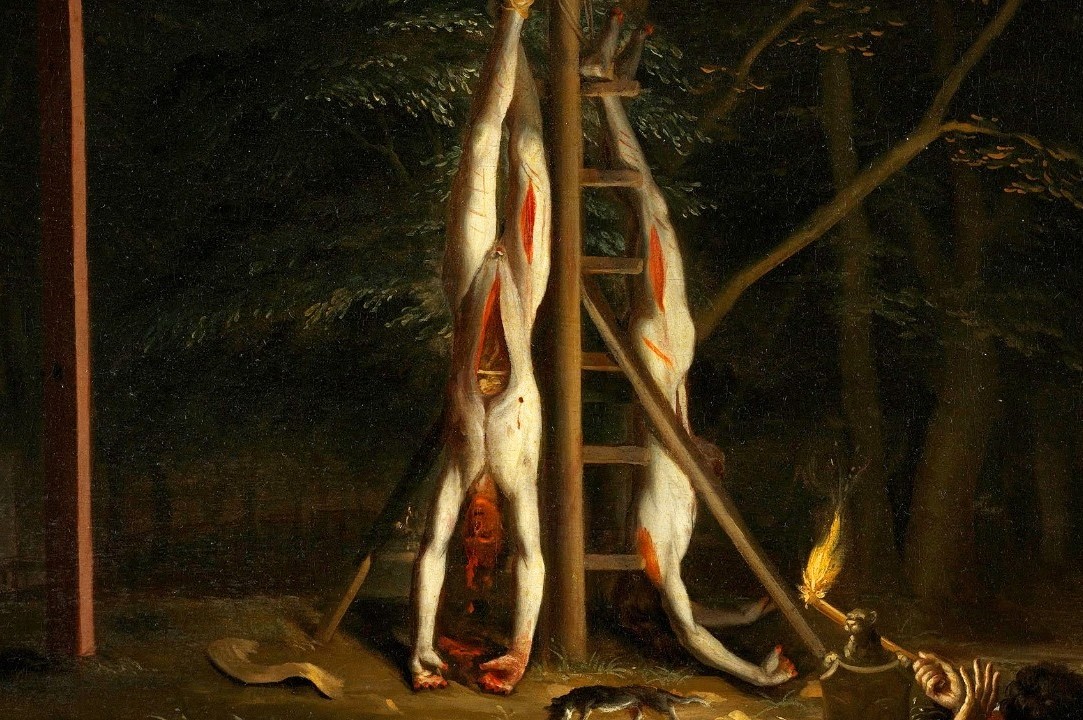


Tongue and finger of the De Witt brothers
Read more
Supporters of the De Witt brothers kept Johan’s tongue and a Cornelis’ finger as relics in lead boxes. It also contained documents explaining its contents. Based on these notes, we know that Nicolaas Witsen, mayor of Amsterdam, owned the relics between 1672 and 1717. In 1889 D.J. Cockuyt from Leiden gave the tongue, finger and the accompanying evidence to the museum. The then director had a “small coffin made of old oak wood, with a glass lid” made to display “these important historical objects”. Many museum visitors were shocked at the sight of this new acquisition. On October 23, 1893, the city council of The Hague banned the exhibition of the tongue and finger. Despite this, the body parts of the De Witt brothers have been on display in the gallery for the last thirty years.
In 2011, researchers from the Netherlands Forensic Institute (NFI) determined that the alleged big toe of Cornelis’s left foot was a finger. On the television program ‘Historisch Bewijs’ (Historical Evidence), the tongue and finger were once again scrutinized, this time to investigate their authenticity. It was not possible to draw up a DNA profile with material from the tongue and finger, but it could be established that ‘the finger was forcibly removed from the body and belonged to a man between 40 and 50 in the year 1672’. This makes it a lot more likely that the body parts do indeed come from the brothers Johan and Cornelis de Witt.




A recollection of items and events encountered in the past 7 decades (a/o 2025) of my life on Planet Earth
Sapere aude!
Island photography and written words at their best.
Un peu de tout peinture, pastel, logiciel 3d et autres / A bit of everything painting, pastel, 3d softwares and a bit more
Science, Philosophy, Desire
I suffer from chronic migraine - at The Mindful Migraine blog I share some of the ideas that have helped - I hope they help you too.
Quirky internet wunderkammer
A Place Where Narcissist Scapegoats Convene
THE DRIVELLINGS OF TWATTERSLEY FROMAGE
Poetry, Photography, and Thoughts
Historical and Horror Fiction Writer
Psychotherapy, Walk and Talk Therapy, Neurodiversity, Mindfulness, Emotional Wellbeing
RECIPES /COOKING VIDEOS
Love is Joy!
Life is all about being curious, asking questions, and discovering your passion. And it can be fun!
Writer
We're all on a road to somewhere.
Life after high conflict divorce with children
My Life After Narcissistic Abuse
Stories, Poetry, Thoughts, Life
Just another WordPress.com site
Stella
Pursuing sanity in a world insane
Exploring the abandoned, derelict and forgotten of Adelaide, South Australia and beyond
the most beautiful sound next to silence.
"Literature is language charged with meaning." Ezra Pound
You know, it's cool for cats.
Life Experiences, Quotes & Randoms
Sharing steps from my path of life...
"El Mundo Visible es Sólo un Pretexto" / "The Visible World is Just a Pretext".-
Fotoblog
My 2016 iPhone Project 366
a picture a day - no exceptions (c) yours truly
Sharing Great Blog Posts
Exhibiting Artist
Wisdom from the Blogs I Follow
west517 | the world we know
Ina Vukic - Croatia: people, politics, history, economy, transition from communism to democracy
The only archive reviewing every ECM album in existence.
Le PhotoBlog de SeniSilat
Ink, pen and watercolor
'Cuz Yesterday Is Long Gone & Tommorow Is Unpromised
Surviving through Depression. "Specter" is the personification of my depression.
Artists Paying it Forward
 Noir
Noir 